
 “Train your brain,” scientists advise people who want to prevent .
New research increasingly shows that a variety of skills and hobbies act like cognitive training that strengthens the brain as you age.
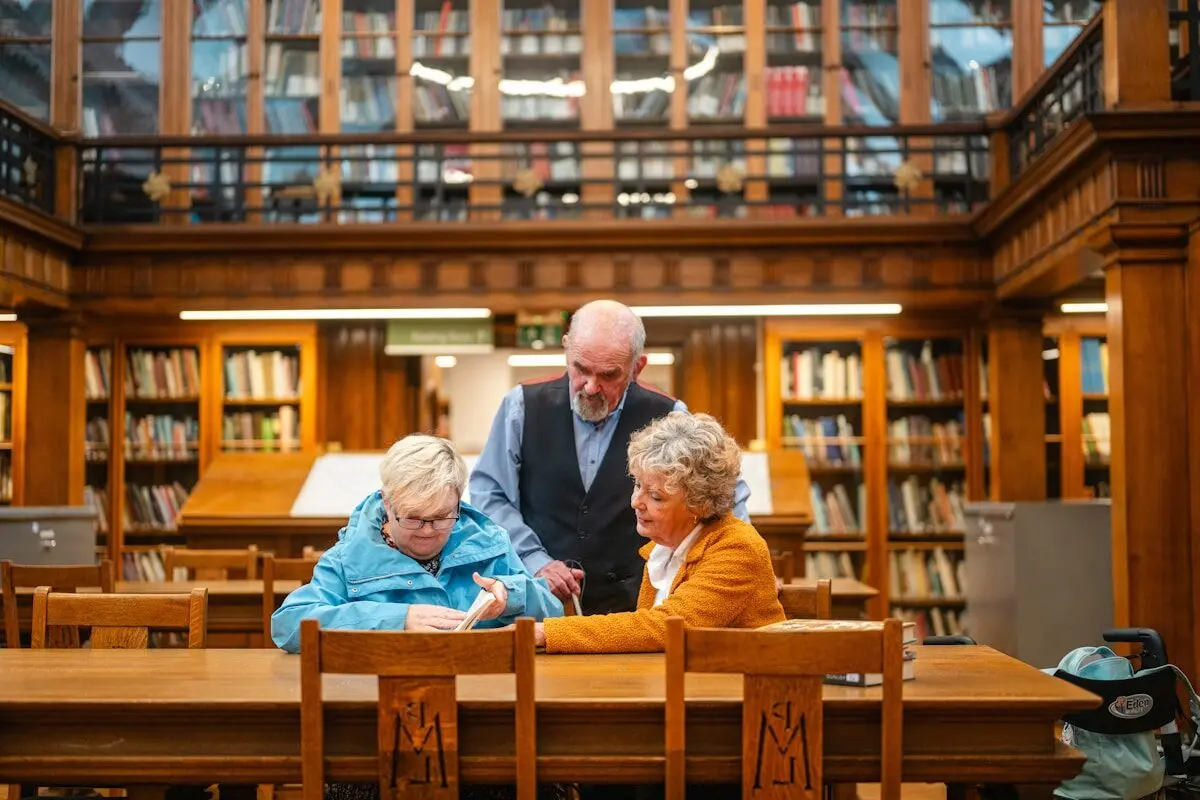
One recent study linked a lower risk of and cognitive impairment to lifelong learning. That includes activities that stimulate the : reading, writing, learning languages, playing chess, solving puzzles, visiting museums, making music, and more.
“They kind of challenge the brain and the way you think. The most important thing is to find steady activities that truly engage you, not just hop from one thing to another,” said neuropsychologist Andrea Zammit of Rush University Medical Center in Chicago, who led the study.
If you didn’t practice what Zammit calls cognitively enriching activities when you were younger, it’s never too late to start. Middle age (45–59) is an important window for protecting brain health.
Building cognitive reserve helps buffer the effects of brain aging
In the study led by Zammit, about 2,000 people aged 53 to 100 participated. None of them had dementia at the start of the study. Researchers followed the volunteers for eight years, Science Alert reported.
The researchers asked participants about the educational and other brain-beneficial activities they practiced in youth, middle age, and older age, and they conducted a series of neurological tests.
Some participants were eventually diagnosed with Alzheimer’s disease. But in those who accumulated the most knowledge over their lifetimes, the disease developed five years later than in those who accumulated the least. In the journal Neurology, the scientists summarized that high mental activity in middle and older age is associated with a slower rate of cognitive decline.
The most surprising findings came from autopsies of 948 participants who died during the study and had signs of Alzheimer’s disease in their brains. People with stronger cognitive abilities showed better and thinking scores before death, and their cognitive decline progressed more slowly.
This is what scientists call cognitive reserve. Learning strengthens neural connections across different brain regions, helping the brain become more resilient and better able to cope with damage caused by aging and disease.

More ways to protect your brain from dementia
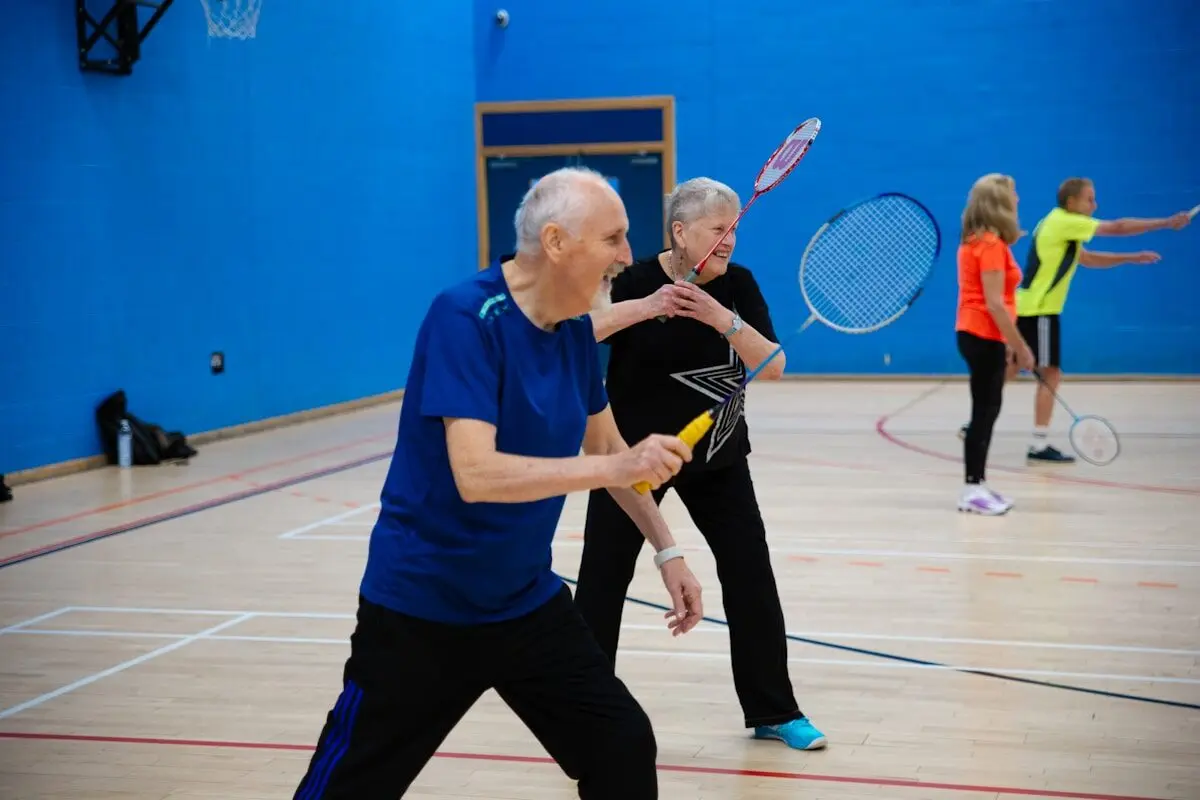
Researchers also remind us not to forget exercise. Physical health matters for brain health. Besides exercise, experts recommend regular blood pressure checks and good-quality sleep.
“There is no magic formula that will prevent both dementia and the normal cognitive decline that comes with aging,” warned Dr. Ronald Petersen, an Alzheimer’s specialist at the Mayo Clinic. Lifestyle changes, he said, can still slow that process.
Many chronic health problems that develop in middle age can raise the risk of Alzheimer’s disease or other forms of dementia later in life. For example, poorly controlled can trigger destructive inflammation in the brain. And high blood pressure damages blood vessels—not only bad for the heart but also reducing blood flow to the brain.
That means core heart-healthy recommendations—regular exercise, eating plenty of fruits and vegetables, avoiding obesity, and controlling diabetes, blood pressure, and cholesterol—are also important for our brains.
Photo: Unsplash