
 Psychologists call the first battle with aging the crisis of 40–45, with the next significant crisis occurring between 60 and 70. Feelings of loss, disappointment, and helplessness often accompany this stage of life, but working through those emotions is essential to moving forward. A more realistic outlook on life, which emerges from these transitions, helps foster new ways of relating to the world. If each age crisis represents a shift in our worldview and social role, its primary lesson is to learn to embrace our renewed selves.
The Psychology of Aging
Unlike the sharp “turning points” of youth, the age crises of middle and old age are less studied. In the latter half of life, these milestones happen less frequently and unfold more subtly, but that doesn’t make them easier to endure. The restructuring of consciousness and the reorientation toward new goals — which change activities and relationships — profoundly affect personal development.
We may stop going to work, no longer live with our children and grandchildren, or have lost loved ones. Social isolation, lack of communication, and health problems harm older adults’ mental health and can lead to nervous breakdowns and depression. The fear of death intensifies this sadness: the desire to live is so strong that the mind resists accepting life’s inevitability.
Another common social fear is gerontophobia, the fear of growing old. We worry about aging: some dread the frailty and changes that come with it, while others feel repulsed by older people because they remind us of what we will become. In some countries, there have even been reports of suicides triggered when visible signs of aging appear.
Psychologists also point to two extremes. One is when mature people ignore the signs of aging and refuse to adjust their appearance or lifestyle, a stance that can seem pitiable and elicit sympathy. The other extreme is when people completely neglect self-care, provoking disgust in those around them. Accepting aging with dignity means adjusting organically to a new rhythm of life while keeping the respect of society.

Professional Challenges
The path to respect often runs through professional fulfillment, so as long as health permits, it helps to hold on to work that makes a person feel needed and self-sufficient. Losing a job can be a major blow: being laid off is often felt as a defeat. Two primary emotions arise: fear (“What will happen next?”) and resentment (“Why was I the one let go?”). When colleagues, relatives, and friends learn about the layoff, shame often joins fear and resentment.
For many, the workplace is part of their identity and self-image, so losing a job can feel like a loss of face. People then have to reconstruct their self-image, which is a deeper task than it might seem. A sense of hopelessness worsens if a person fixates on the situation and ignores other parts of life. Psychologists describe emotional collapse through different behavioral types.
The Victim
The laid-off person constantly complains about the unfairness of management’s decision, trapping themselves in a victim mentality and giving the impression of weakness, as if they deserved such a verdict. If this mindset takes hold, it becomes harder to escape over time, and self-esteem erodes.
The Aggressor
Others respond to a layoff by blaming colleagues and an “ungrateful employer” for all their problems. By turning against others, they damage relationships even with those who initially sympathized. Resentment also makes it hard to find new work: candidates who criticize their previous job in interviews rarely improve their chances.
The Doomed
Some treat the layoff as a death sentence while outwardly appearing calm. They don’t express their emotions or talk about what happened because they can’t share their personal drama. They may even pretend to keep going to work, deceiving everyone, including themselves. In these cases, loneliness can grow into a sense that life has lost its meaning.
The Right Decision
It’s important to detach from the problem and aim to leave with minimal losses, both psychological and material, while keeping normal relations with management and colleagues. Psychologists advise behaving as if you made the decision yourself and resigning voluntarily — in some ways, that will be true.
Ask yourself whether you want to stay where you are no longer valued or needed. The predictable answer is no. To protect your self-esteem, separate yourself from the situation and recognize that many reasons for a layoff aren’t directly about you. That perspective can open opportunities to improve your life.

How to Cope with Stress
Psychologists offer practical exercises to help navigate circumstances you can’t change.
Stretching
Lie down and stretch. Stretching tense parts of the body helps release hidden emotions. Once you let go of tension, you feel better.
Breathing
Most people hold their breath when anxious. Deep inhalations and exhalations provide relief. Breathe into the belly through the mouth and exhale through the nose to slow your breathing and bring calm.
Tension/Relaxation
Raise your eyebrows and open your mouth as wide as possible to engage facial muscles, then relax. Tense your entire body (clench your fists, stand on your toes, lift your shoulders, tighten your limbs) and then relax sharply. Do these exercises while lying down if you can. Once you release the tension, you will feel relaxed.
Quick Recovery
Run as fast as you can, then take a slow walk to calm your body and slow your heartbeat. Alternating rapid effort with immediate relaxation trains the body to recover quickly from stress and pressure.

Warming Up
Rub your hands until they feel warm, then place them on your face and enjoy the heat radiating from your palms. This helps calm you and creates a sense of comfort.
Ignoring
When anxiety strikes, tell yourself this isn’t the time to solve those problems — you can think about them later.
Music
Listening to music can be helpful during tough times.
Accept and Let Go
In the face of adversity, new perspectives can open up. The key is not to cling to the problem. Life goes on, and sooner or later things often fall into place.

How to Navigate Retirement
Some dream of retiring — a privilege many are denied by rising retirement ages and longer work tenure requirements — yet new retirees often don’t welcome the change in lifestyle. Instead of joy over free time and relaxation, many feel emptiness. What happens during this stage of life, and how can we get through it with minimal loss?
In the psychology of aging, “retirement stress” is especially acute for people who had active, creative jobs and for those who live alone far from children and grandchildren. The honeymoon phase — the initial euphoria after retiring — often soon gives way to disappointment.

The “awakening” comes when expectations don’t match reality. For example, someone may have planned to help raise grandchildren, but their children refuse the help. Another person may have intended to grow vegetables, but health problems prevent it. The loss of health and disappointment in loved ones can be a shock many aren’t prepared for. The most constructive next step is reorientation and finding stability.
Psychologists say people with high self-esteem adapt best to retirement. If you’re struggling to accept your new status, practice self-compassion. Frequently recall personal achievements and treat small victories — finishing a home repair or baking a great pie — as real successes. By recognizing strengths and weaknesses, find activities that keep you afloat.
We Are Responsible for Our Lives
Not everyone reaches a stabilization phase — some never quite find themselves in retirement. Many retirees blame others for their lack of demand: children who won’t live with aging parents, former bosses who lost a valuable employee, or friends who offer little support. A common problem in the psychology of aging is shifting responsibility for one’s life onto others.
Psychologists point out that personal disorganization often reduces quality of life in retirement. By neglecting self-care, skipping meals, or letting the home get messy, we create a mood of sadness and apathy that’s hard to shake. To prevent despair from becoming habitual, change tactics: set mandatory daily tasks to regain footing and rediscover joy.
Loneliness hits older people hard in big cities, where it can feel like no one cares. Those in need should keep in touch with social service and support agencies. For psychological comfort, specialists recommend that lonely older adults care for pets, which offer loyal companionship and can boost wellbeing.
Caring for others can make us feel stronger, though it may also increase anxiety in some cases. Still, interaction with animals often brings optimism. Psychologists also suggest using social media, joining interest clubs, reading, learning foreign languages, traveling, exercising, gardening, crafting, and pursuing hobbies.
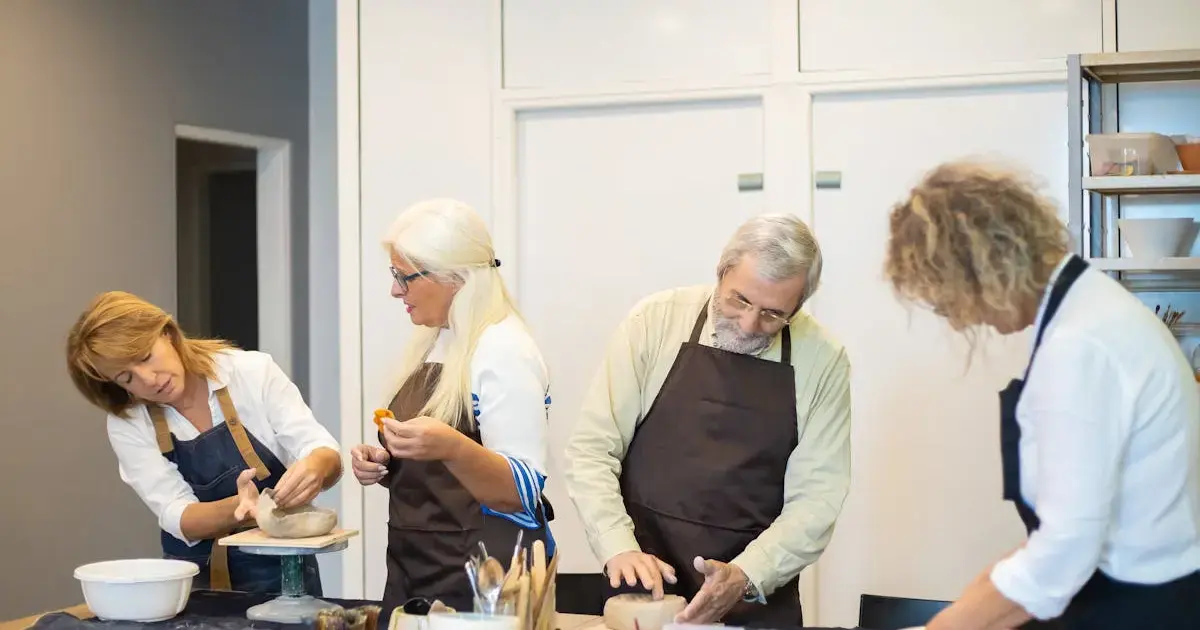
How to Come to Terms with Aging
To overcome the fear of aging and accept its inevitability, it’s important to live joyfully, as proactive centenarians have done. Some historical documents from the 18th to 20th centuries even list extreme longevity claims: Hungarians Zoltan Petridge and Peter Zortai reportedly lived to 186 and 185 years, Ossetian Tense Abzive to 180 years, Turkish Hud to 169 years, Abkhazian Kurban Kurbanov to 160 years, and Pakistani Syed Abdul Mabood to 159 years.
When does old age begin? In Ancient Rome, people were considered old at 40, since life expectancy was about 28–30 years. Today, the World Health Organization generally places older adults in the 75–90 age range, while those over 90 are often called centenarians. It may feel like aging is unavoidable, but in practice many aspects of aging can be delayed. Try these tips.
What You Need for a Fulfilling Life:
- Choose a lifestyle and activities that suit you, regardless of relatives, acquaintances, or public opinion;
- Approach the world with kindness and friendliness to reduce negative emotions;
- Do physical exercise, prioritize walking and active games, and spend more time in nature;
- Avoid drastic weight fluctuations and aim to maintain a healthy shape throughout life;
- Eat a balanced diet;
- Use appropriate skincare and haircare products regularly;
- Avoid harmful habits;
- Keep up with preventive health check-ups and follow doctors’ recommendations;
- Stay curious: expand your interests, find hobbies and activities you enjoy;
- Believe in yourself.
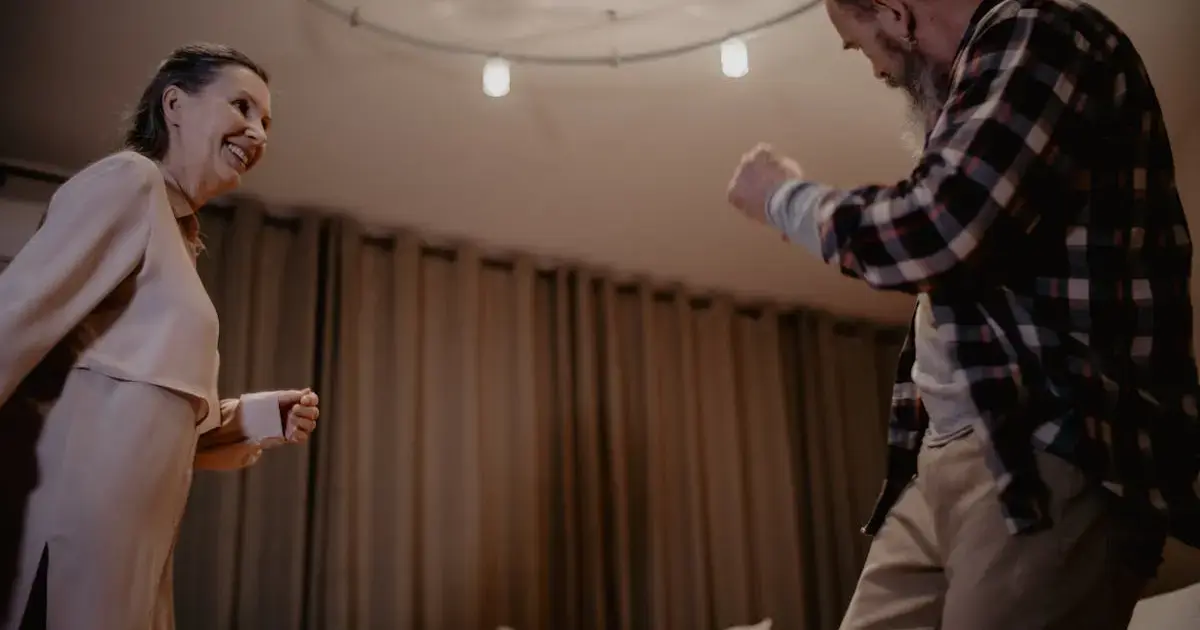
What You Need for Psychological Comfort:
- Don’t worry about others’ opinions;
- View situations from a distance;
- Don’t regret missed opportunities;
- Practice gratitude;
- Don’t be afraid to laugh at yourself;
- Recall happy moments from your life;
- Live in the present;
- Don’t envy anyone;
- Surround yourself with happy people;
- Never stop exploring the world.
Prohibitions for Those Over 60:
- Don’t rush; enjoy the small things;
- Don’t chase perfection;
- Don’t worry about what others think;
- Don’t try to please everyone;
- Don’t argue unnecessarily;
- Don’t take on other people’s problems;
- Don’t hoard unnecessary things;
- Don’t waste energy worrying about the future.
To make our later years a “velvet season” rather than a “season of gloom,” psychologists recommend filling life with aesthetic pleasures (painting, embroidery, decorating, dancing, listening to music, watching films), avoiding persistent negative emotions and poor sleep, keeping regular work-and-rest routines, and not overwhelming the nervous system with excessive demands while living at a calmer pace.
Photo: pexels.com