
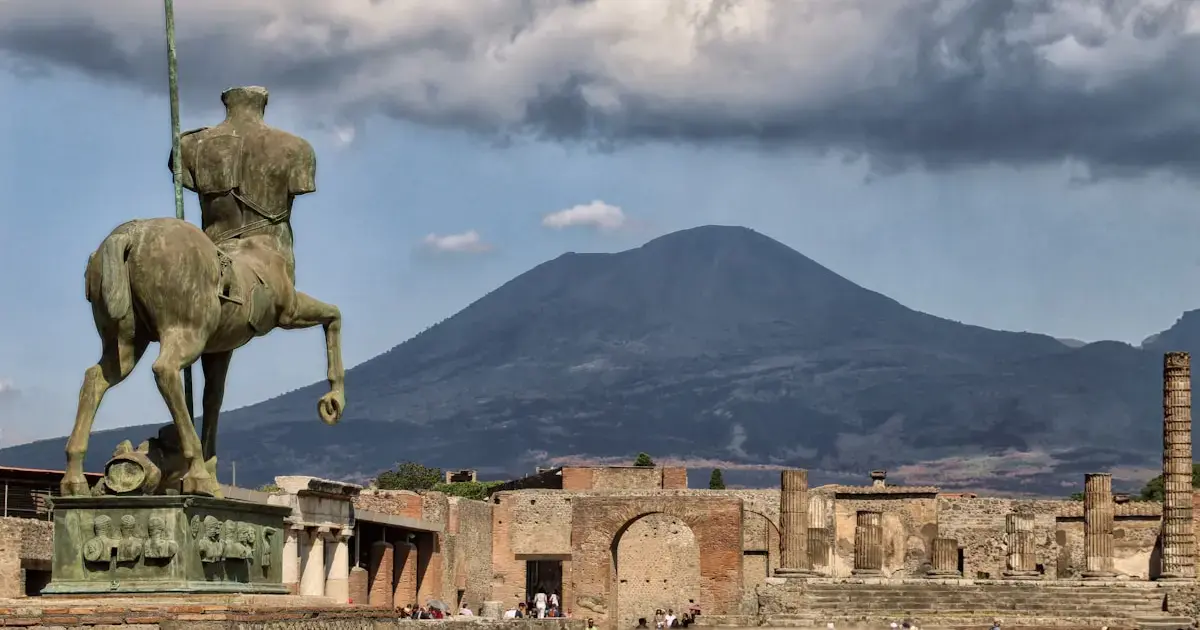
 The eruption of Mount Vesuvius began on August 24, 79 AD. On that day, the residents of had a rather inappropriate appearance for a summer apocalypse.
A team of researchers from the University of Valencia (Spain), led by Professor Llorenç Alapont, pondered whether the famous disaster could have occurred not on that fateful August day, which is etched in history, but on a completely different date.
Historian Pliny the Younger, the sole eyewitness to the tragedy, observed the eruption from the opposite shore of the Bay of Naples. Decades later, he recounted his impressions of the horrific event in a letter to the Roman politician Tacitus. According to the historian, it began on the afternoon of August 24.
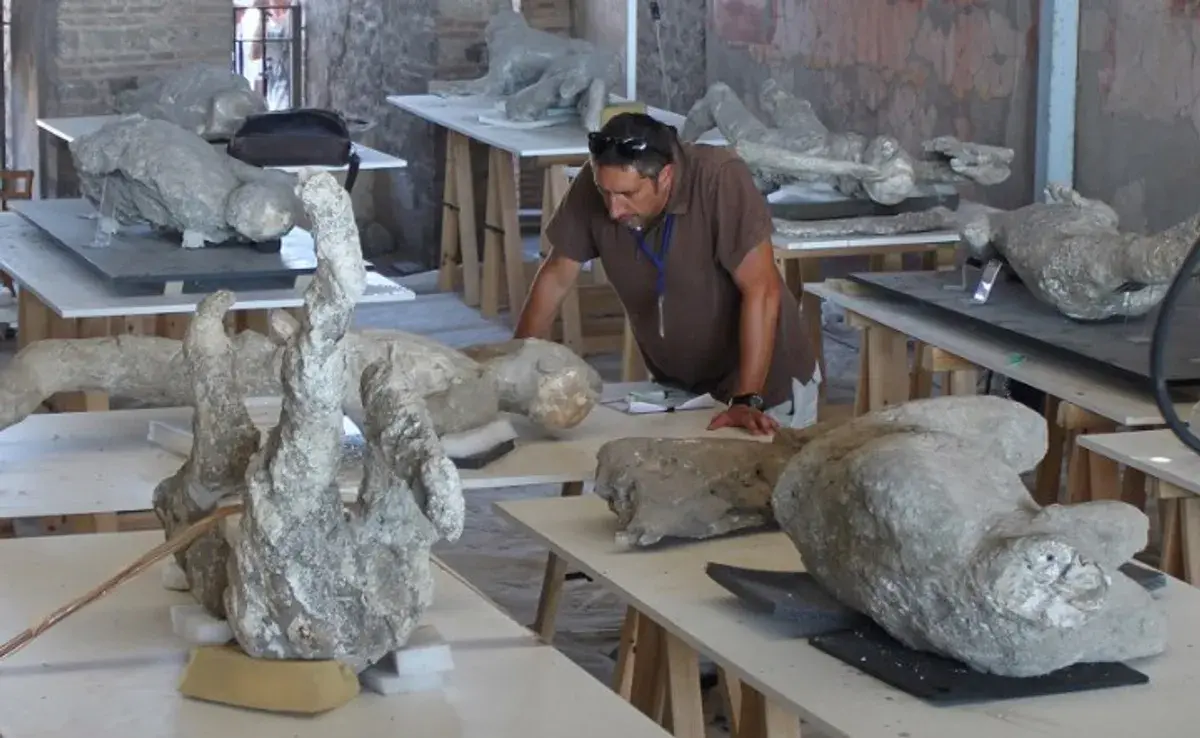
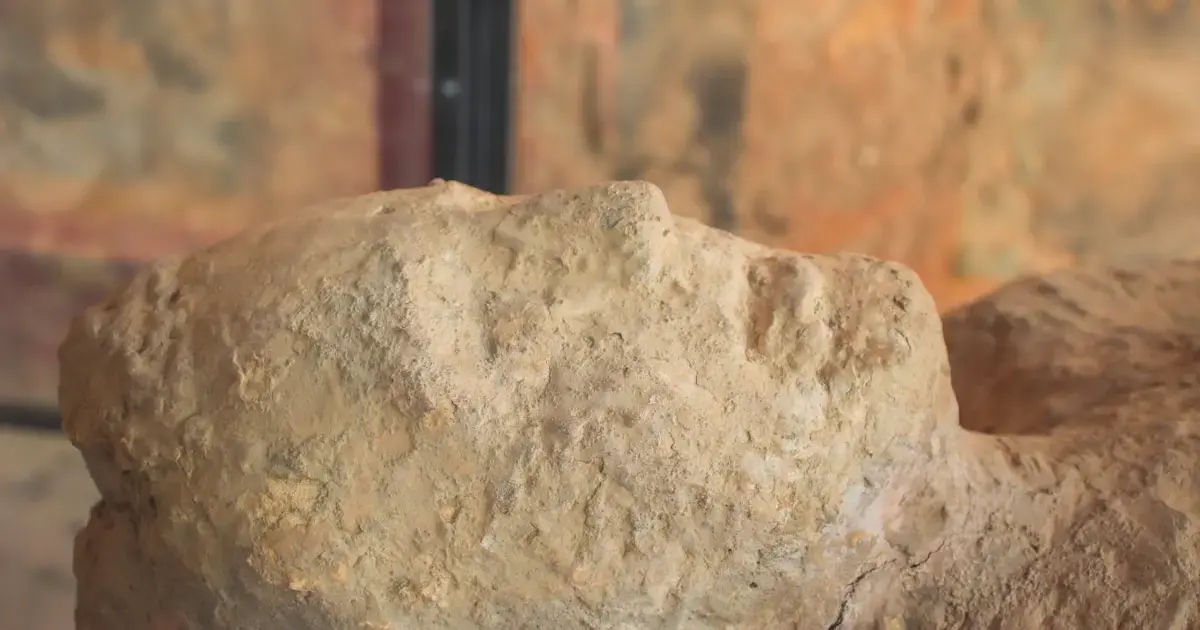
For the next two millennia, the victims of remained buried under ash. They left behind body casts that scientists later used to create plaster molds, helping to recreate the images of the deceased.
The authors of the new study examined 14 such casts and uncovered unprecedented information about the fashion of the 1st century AD, as reported by IFLScience.
What Surprised the Scientists?
“By studying the casts, we learned how these people were dressed on that historic day. We observed the type of fabric and the weave, which was quite dense. Most victims wore two garments: a tunic and a cloak, both made of wool,” Professor Alapont reported.
Given that wool was the most common material for clothing in ancient Roman times, it’s not surprising that the residents of Pompeii wore such attire. However, the lead researcher claims that the wool on the victims of the Vesuvius eruption was far too heavy for a hot August day.
According to Professor Alapont, it’s possible that these individuals donned this clothing as protection against the gases and heat emitted by the volcanic eruption. At the same time, the researchers suggested that this attire indicates the event may have occurred on a different, cooler day.
Interestingly, both those who perished inside buildings and those who met their end on the streets of Pompeii wore equally warm clothing. However, the authors of the new study do not yet dispute the widely accepted historical date of the Vesuvius eruption, as they lack sufficient evidence to suggest that the event occurred on any day other than that well-known August date.
Nonetheless, these doubts have undoubtedly fueled suspicions previously expressed by other researchers: the event may have taken place not in August, but in the fall or even winter.
For instance, carbon inscriptions found in Pompeii indicated a date of October 17. Given the perishability of carbon, it is unlikely that the inscription was made more than a week before the eruption. Thus, some scholars suggest that Pompeii may have ceased to exist on October 24, 79 AD.
Later dates are also hinted at by other Pompeian discoveries—evidence of autumnal activity, such as chestnuts, fermented wine, and remnants of fires.
However, until specific evidence is found indicating another last day for Pompeii, we must simply assume that the city’s residents wore thick woolen in the summer.
Photo: Unsplash