
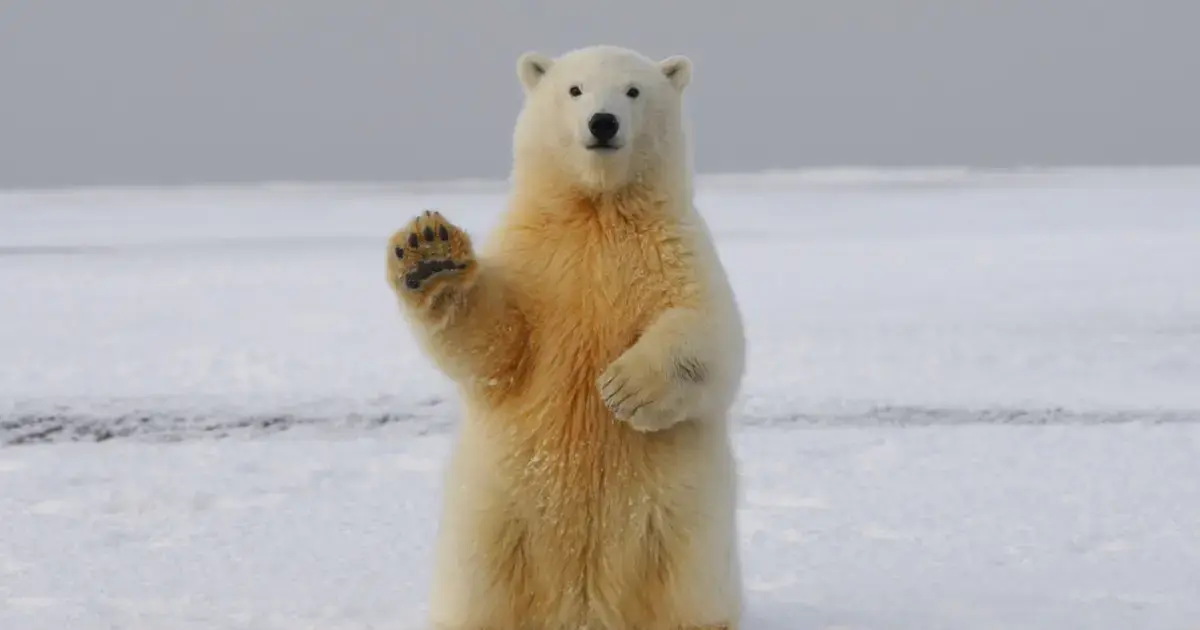
 Since the Arctic sea ice began to steadily decline due to climate change in the early 1990s, zoologists have anxiously awaited detrimental changes in the local wildlife.
Polar bears rely on sea ice as a platform for hunting seals, which provide them with a rich source of food. The fat reserves are crucial for the bears, supplying them with energy and insulation, and enabling females to produce nutritious milk for their cubs.
Between 1992 and 2019, researchers weighed and measured 770 adult bears in Svalbard. They discovered that these animals had significantly gained weight. They likely adapted to the melting ice by feeding more on reindeer and walruses.
This finding, published in the journal Scientific Reports, shocked the scientific community. During this period, global temperature increases extended the ice-free season in the region by nearly 100 days, adding about four days each year.
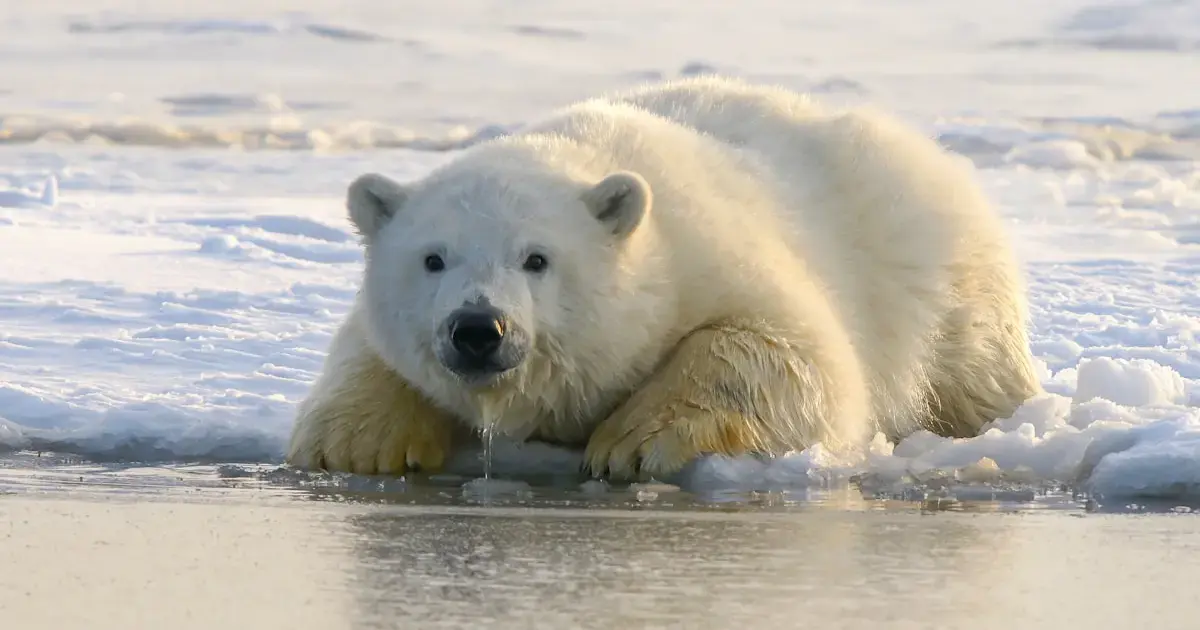
“The fatter the bear, the better. I expected to see a decline in the physical condition of the animals given such a significant loss of sea ice,” said Dr. Jon Aars, the lead researcher at the Norwegian Polar Institute.
He also emphasized that there are now significantly more walruses in this part of the Arctic, which polar bears can hunt. It’s also possible that polar bears have become more efficient at catching seals, as reported by the BBC.
Walruses have been under official protection since the 1950s, after being ruthlessly hunted by whalers. This protection has led to an increase in their population and has provided a new source of fatty food for polar bears.
Dr. Aars explained that, due to the shrinking ice, seals are forced to cluster on smaller ice floes, making it easier for polar bears to hunt them.
However, scientists warn that as the area of sea ice continues to shrink, bears will have to travel greater distances to reach their hunting grounds. That will require more energy and deplete the valuable fat reserves of these predators.
Meanwhile, the charity Polar Bears International (PBI) noted that polar bears in Svalbard were among the most heavily hunted populations worldwide until the 1970s, when international protection measures were implemented.
Dr. John Whiteman, the chief scientist at PBI, said, “Physical condition is only half the story. Recent studies have shown that the increase in the number of ice-free days reduces the survival rate of cubs, as well as adolescents and older females.”
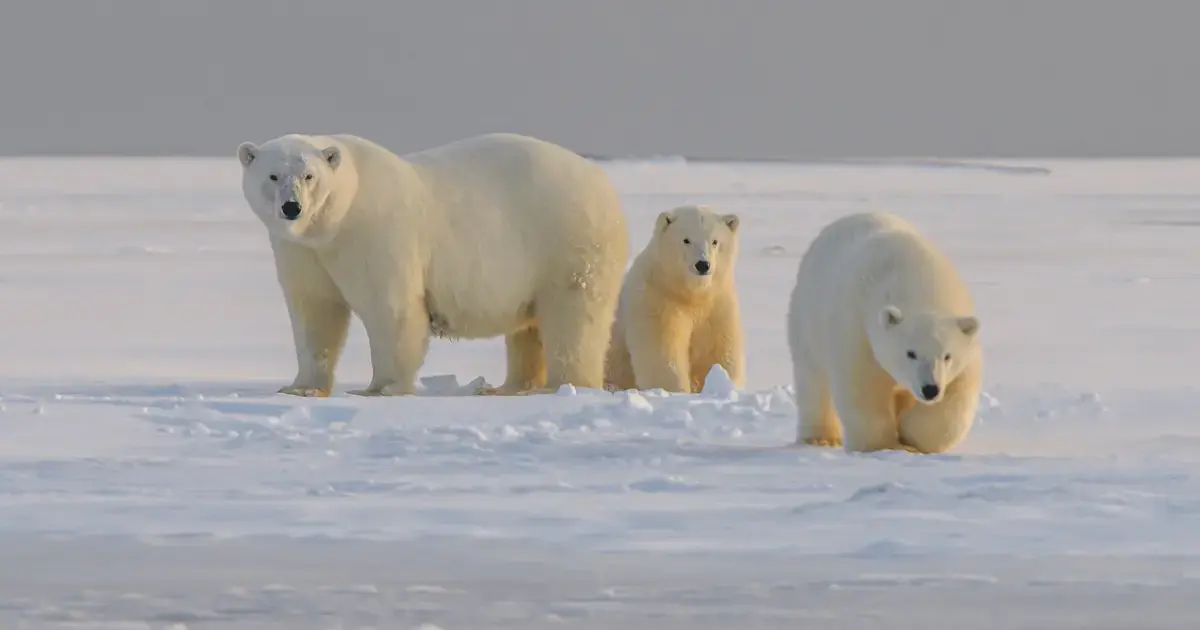
Overall, there are 20 subpopulations of polar bears in the Arctic region. In other parts of the Arctic, sea ice loss affects polar bears differently.
In the western part of Hudson Bay in Canada, where the southernmost and most-studied polar bears live, the decline in their population is directly linked to rising temperatures.
According to Whiteman, all polar bears need sea ice to survive. “We know that if the melting of the ice continues unchecked, the bears will eventually disappear,” the expert said.
Photo: Unsplash
Why Spitsbergen’s polar bears are getting fatter despite melting ice
21