
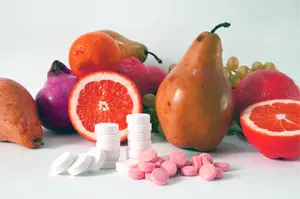
Science has identified over thirty vitamins, each designated by a letter of the Latin alphabet. The most well-studied are vitamins A, B, C, D, E, and K.
Vitamin A was first discovered in butter and egg yolks. Later, a substance found in carrots was shown to convert into vitamin A in the human body. Rich sources of vitamin A include green onions, cabbage, red peppers, parsley, spinach, red tomatoes, potatoes, horseradish, beet greens, unripe walnuts, rowan berries, black currants, rose hips, apricots, oranges, and lemons.
A deficiency of vitamin A in the diet can lead to infections, colds, and acute contagious diseases. Children who do not consume enough vitamin A in their diet may experience stunted growth and poor development. Include vitamin A–rich foods in the diets of children and nursing mothers, such as carrots, cabbage, fish oil, and liver.
Vitamin B refers to a group of vitamins. They are most abundant in rye bread, legumes, yeast, and meat. A lack of vitamin B can lead to severe nervous system disorders. Fish oil, whole milk, mushrooms (especially porcini), and yeast are excellent sources of vitamin D.
If a child does not get enough vitamin D, they may develop rickets, causing soft bones, an enlarged abdomen and head, and crooked legs, which can lead to a child growing up with bow legs or a hunchback. Vitamin E, found in bread, salad, and other foods, is crucial for human development.
Vitamin K has the ability to stop bleeding and heal wounds. It is abundant in tomatoes, cabbage, spinach, and edible nettles.
Knowing which foods contain vitamins isn’t enough; you also need to preserve them during storage and cooking. For instance, the primary sources of vitamin C are vegetables, fruits, greens, and berries, particularly seasonal products. If we examine the same vegetables in the fall and spring, we will find that they contain twice as much vitamin C in the fall compared to the spring. Potatoes can lose 75–80% of their vitamin C in the spring, while apples can lose up to 90%. If part of the cabbage is kept at room temperature and another part in a cellar at 4-5 °C (39-41 °F), after a month the first will lose 25% of its vitamin C, while the second will lose only 10%. Vegetables lose even fewer vitamins when stored in refrigeration at temperatures of 0-2 °C (32-36 °F). The ideal storage temperature for potatoes and fruits is 2-3 °C (36-37 °F), for fresh cabbage it’s 1-2 °C (34-36 °F), and for sauerkraut, it’s 3-4 °C (37-39 °F).
The primary cause of the destruction of vitamins A and C is exposure to oxygen. Oxidation increases with heating and boiling. Cooking food in a tightly sealed container filled to the brim leads to less vitamin loss because there’s less air. Cook food quickly, avoid overcooking, and eat it immediately. Cooked food that sits for 3–4 hours can lose up to 40% of its vitamins, so avoid preparing dishes several days in advance.
Vitamins C and B dissolve in water and leach into the broth during cooking. Vitamins A, D, E, and K dissolve in fats, so sauté root vegetables and onions in fat, stirring well to ensure each piece is coated with a fatty film; this film helps protect the vitamins from the damaging effects of oxygen.
In food cooked in a copper pot with a damaged coating, vitamins can disappear. When boiling peas or beans, people sometimes add a bit of baking soda to speed up the cooking process, but avoid this because baking soda destroys vitamins.
The outer layer of vegetables contains more vitamins, so peel them thinly. Potatoes cooked in their skins lose 25% of their vitamins, while peeled potatoes lose 80%. Cook cabbage for 20–30 minutes, cook potatoes for 40 minutes, and add sautéed onions 10 minutes before the dish is done. Potatoes placed in boiling water lose 7% of their vitamin C, while those placed in cold water before boiling lose 35%. To preserve vitamins in jelly, pour the juice extracted from berries into hot cooked starch. For vinaigrettes, boil vegetables in their skins under a lid and cool them quickly.
To retain vitamins in dried fruits and vegetables, treat them with a sulfur-containing substance before drying; this kills bacteria without affecting the vitamins. Canning factories now produce canned goods without air exposure, which helps preserve vitamins. In fermented vegetables, lactic acid forms, which also helps retain vitamins. Seal a barrel of pickles tightly to prevent air exposure.
In spring, when produce has fewer vitamins, add factory-made vitamin products to dishes, such as jams and marmalades. Store vitamin-enriched powders, tablets, and extracts in a dry, cool place; keep vitamin A in the dark, because it degrades when exposed to light.
The science of vitamins is relatively new, but it has already explained the causes of many diseases known as vitamin deficiencies (conditions caused by a lack of vitamins in the diet). If a person eats food lacking sufficient vitamins, they may develop diseases such as scurvy, night blindness, rickets, beriberi, and others. Remember the role vitamins play in human life, and follow proper food-preparation practices to preserve vitamins in the diet.