
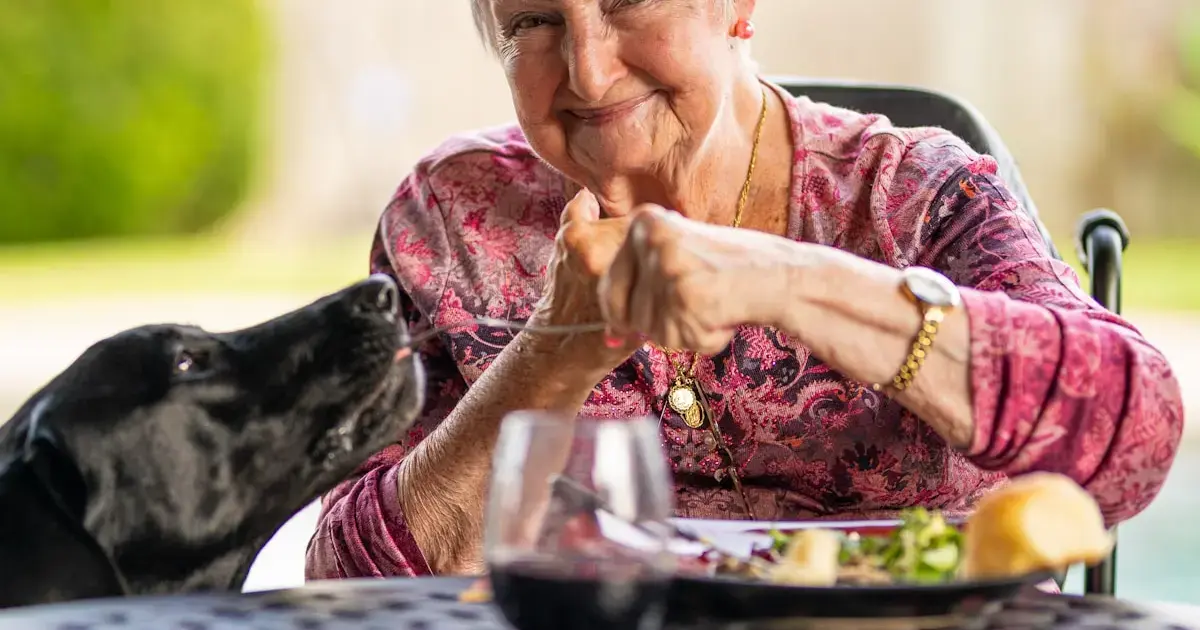
 According to scientists, are more resilient. Authors of a new study from Fudan University in China are now questioning whether vegan and vegetarian diets are truly healthy choices. They believe that avoiding meat could significantly reduce the chances of living to 100 years old.
Even among those who regularly exercise and don’t smoke, the likelihood of reaching 100 years is 19 percent lower for non-meat eaters compared to meat-eaters.
The study found that this trend is most pronounced among , whose chances of living to a century are 29 percent lower.
Researchers suggested that these results stem from the fact that older adults require more nutrients than a strictly plant-based diet can provide.
Dr. Xiang Gao, the lead author of the study, noted, “Our research suggests that for adults over 80, a diet that includes both plant and animal foods is more often associated with reaching 100 years than a vegetarian diet.”
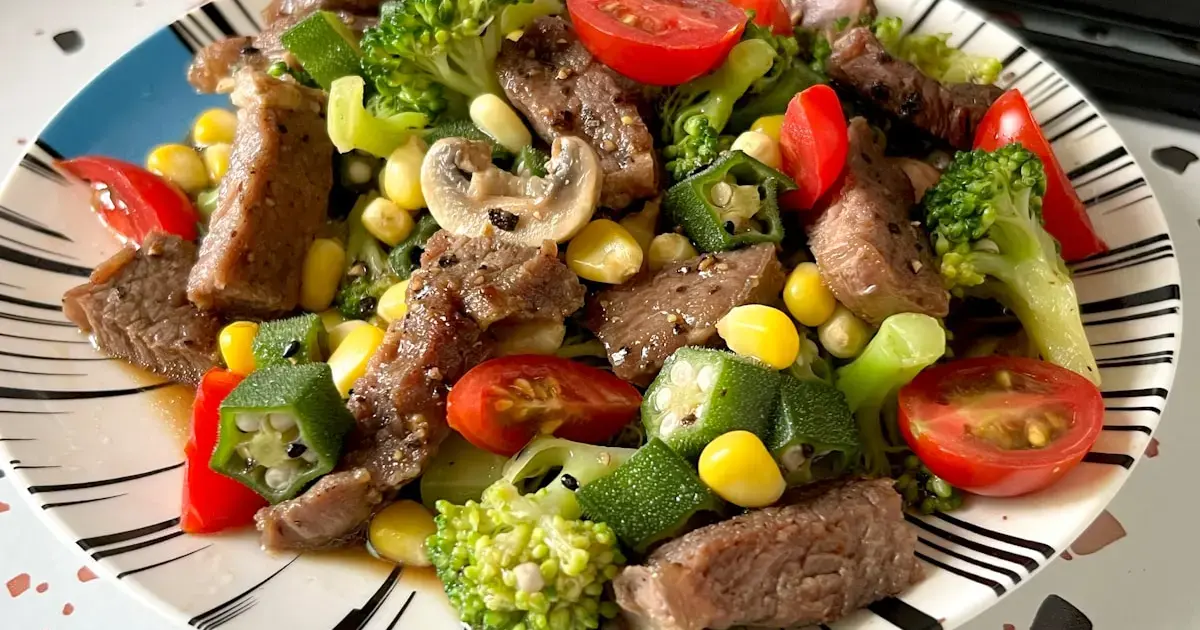
What You Need to Know About the Study
The team examined data from 5,203 individuals who participated in the Chinese Longitudinal Healthy Longevity Survey. At the start of the study in 1998, participants were aged 80 and older.
From this group, 1,495 people lived to , while 3,744 died before reaching that age, according to the Daily Mail.
Using statistical tools, researchers analyzed participants’ health data to see how their diets might have influenced their chances of reaching 100. It turned out that those who consumed meat during the study were more likely to reach the century mark.
Vegetarians who consumed eggs and dairy had only a slightly higher chance of living to 100: their odds were 14 percent lower than those of meat-eaters.
Even trendy pescatarian diets, which allow for fish consumption, were associated with a decreased likelihood of reaching a hundred.
Interestingly, among participants who were overweight, diet did not statistically impact longevity. However, for those underweight, daily meat consumption increased the likelihood of living to 100 by as much as 44 percent.
Researchers also noted that longevity positively correlated with daily vegetable intake. Those who ate vegetables regularly had an 84 percent higher chance of celebrating their 100th birthday compared to those who did not.
In an article published in The American Journal of Clinical Nutrition, Dr. Gao’s team wrote, “A balanced omnivorous diet, which includes both animal and plant foods, is more strongly associated with in older adults.”
The researchers concluded that while a fully plant-based diet is linked to improved cardiovascular health, the prevalence of low body mass index among those over 80 makes avoiding meat potentially dangerous.
It’s worth noting that previous studies have linked vegetarian diets to a higher likelihood of , gallbladder disease, and depression.
Photo: Unsplash