

• Make sure you prepare everything you need in advance and organize it so it’s easy to reach. You can expect to move furniture around during renovations, and some items may go missing.
• Make sure you protect the floor from chalk, glue, and other messes by covering it with several layers of paper. Make sure you secure the edges to the baseboards with tape or paste so you can remove it more easily later.
• For extra protection, make sure you lay a sheet of plastic over the paper.
• If you leave furniture in the room during renovations, make sure you cover it thoroughly. Make sure you remove items you’ll need in the coming days from cabinets. Make sure you close the doors, and make sure you position the wardrobe, sideboard, and bookshelves in the middle of the room with their doors facing inward. Then make sure you cover everything with plastic wrap and secure the edges with pins.
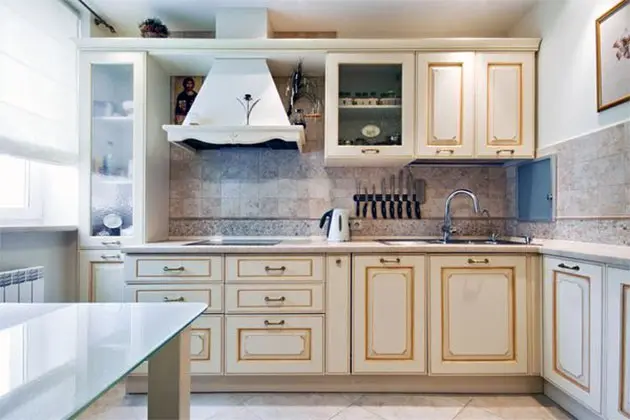
Order furniture directly from the manufacturer; unlike mass-produced pieces, custom furniture will meet your specifications. Custom-designed furniture and interiors are especially useful in apartments where planning and design require a personalized approach.
• Make sure you pay special attention to covering upholstered furniture. Make sure you move any houseplants outside.
• After you wash plaster off the ceiling and walls or remove old wallpaper, make sure you clear the paper from the floor and lay down new protective material.
• When you paint window frames, make sure you cover the glass with paper.
• If you accidentally get paint on the glass, wipe it off immediately with a solvent. If you don’t notice it right away, make sure you carefully scrape off the dried splatters with a razor blade held parallel to the glass.
• To prevent paint from dripping on your hands and the floor while painting, make sure you make a simple drip guard: attach half of a small rubber ball or the top of a plastic cleaning bottle to the handle of your brush with the indentation facing up. Also, make sure you don’t overload your brush with paint.
• When you’re done, make sure you clean the brush in solvent and keep it in water until the next day.
• When you add blue dye to chalk, make sure you strain the mixture.
• Because paints and solvents can be harmful to your health, make sure you leave the room where you’re painting as soon as possible. Make sure you wash your hands thoroughly after working, or better yet, wear gloves.
• To help paint fumes dissipate faster, make sure you keep a bucket or bowl of water in the room.
• To make your life easier, make sure you protect the bathtub and sinks from construction debris. Also, make sure you don’t pour water containing paint, cement, or chalk down the drains, since these can clog the pipes.