
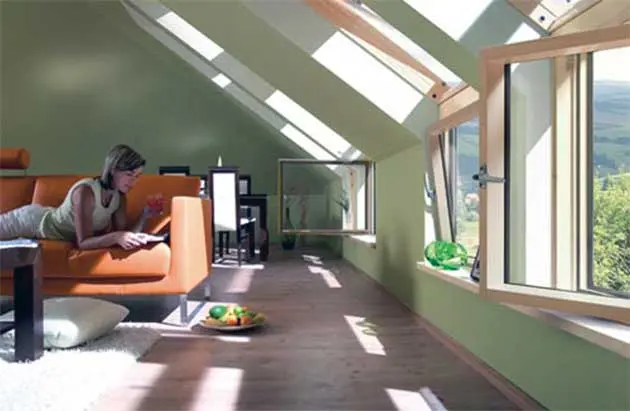
The ideal temperature for living spaces is between 60°F and 68°F (16–20°C), with the bedroom not exceeding 60°F (16°C) and the children’s room not dropping below 64°F (18°C). In apartments with central heating, adjust the temperature with the valve on the radiator. For homes heated with wood, control the temperature by regulating the stove’s heat.
Ventilating Rooms and Maintaining Proper Humidity
Regular ventilation is essential. To make this easier, homes have ventilation systems. Rooms have small ventilation openings with grilles, and behind each grille there is a damper (a shutter). A cord hangs down so you can open and close the damper easily. Periodically check that the ventilation exhaust is working: hold a lit piece of paper near the ventilation opening—if the flame is drawn toward the opening, the ventilation is working properly. If the flame doesn’t move, see whether the damper is closed. Cleaning the ventilation ducts is more complicated; building management should do it at residents’ request.
The simplest way to ventilate a room is to open a window or a top-hinged window (transom). Speed up air exchange by placing a fan so it pulls air out of the room.
Maintaining normal humidity levels in a living space is crucial for health. When the air is too dry, people often notice dry mouths and sometimes headaches.
To keep humidity at a healthy level, use a humidifier and follow the manufacturer’s instructions. You can also maintain proper humidity without a device: place a shallow metal tray on the radiator and refill it with water periodically. Choose the tray size based on how dry the air is and the size of the room. The drier the air and the larger the room, the more surface area of evaporating water you need.