
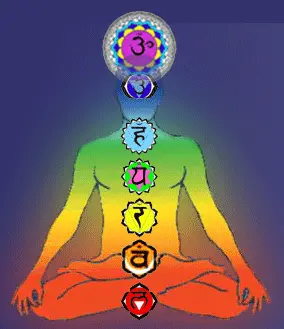
The human aura is a subtle, invisible layer that envelops the physical body like a delicate, glowing cocoon. It functions as a unique energy field that provides both protection and structure. The aura holds complete information about its owner: their thoughts, feelings, physical and emotional state, lifestyle, and even hereditary traits. While the aura may shift shades over time, each person has a core color that remains constant throughout life. Internal states show up instantly in the aura. When our mood changes, so do the aura’s color, density, and size. When we’re comfortable and well, the aura shows a harmonious blend of colors and shapes. When we feel pain or discomfort, the aura shifts, becoming unbalanced and disharmonious.
The aura is boundless yet inseparably linked to the physical body, acting as its energetic extension, a kind of astral projection. The aura of a healthy, balanced person typically extends about 8 inches (20 cm) from the physical body and can expand as a person progresses spiritually.
Unfortunately, very few people can see these subtle energies. Some are born with that gift; others develop it through practice and technique. The most common exercise involves placing the object you want to observe against a white or neutral background, focusing intently, and looking as if through the object. With practice, a blurred glow begins to appear around the object. For some, this glow is barely noticeable; for others, it is vibrant and multicolored. The shape of the aura can also vary. With consistent effort, you can learn to see the aura of almost any object.
Our energy body also contains centers known as chakras. These centers accumulate and distribute physical, mental, and spiritual energy. Chakras sit near the body’s largest nerve plexuses. Disruptions in chakra function can lead to various illnesses and problems. There are seven main chakras, each with its own name, color, and function.
First main chakra – Muladhara – Root chakra. Located at the base of the spine, it connects us to nature, our body, the senses, survival, and self-defense. It governs the reproductive and skeletal systems, the legs, and the intestines. Its color is red.
Second chakra – Svadhisthana – Sacral chakra. Found in the pelvic region, it governs creativity and sexuality and serves as the center of emotions and pleasure. It corresponds to the reproductive organs. This chakra is orange.
Third chakra – Manipura – Solar plexus chakra. Located in the upper abdomen, it is the center of energy and life force. Negative energies are processed here. It governs the pancreas, liver, gallbladder, and the middle part of the back. Its color is yellow.
Fourth chakra – Anahata – Heart chakra. Positioned near the heart, it governs love and attachment. Its energies affect the heart and lungs, the chest, and the upper arms. It is associated with green.
Fifth chakra – Vishuddha – Throat chakra. This chakra governs communication, speech, self-expression, and self-realization. It serves as a center for creative inspiration and talent. It is associated with the throat, neck, nose, mouth, and ears. Its color is blue.
Sixth chakra – Ajna – Third eye chakra. Often called the “third eye,” it governs intuition, mental ability, memory, knowledge, and willpower. It corresponds to the cranial nerves, the brain, the eyes, and the face. Its color is indigo.
Seventh chakra – Sahasrara – Crown chakra. Located at the top of the head, it is responsible for spirituality, harmony, insight, tranquility, and unity with spirit. It interacts with the brain’s energy and the rest of the body. Its color is violet.