
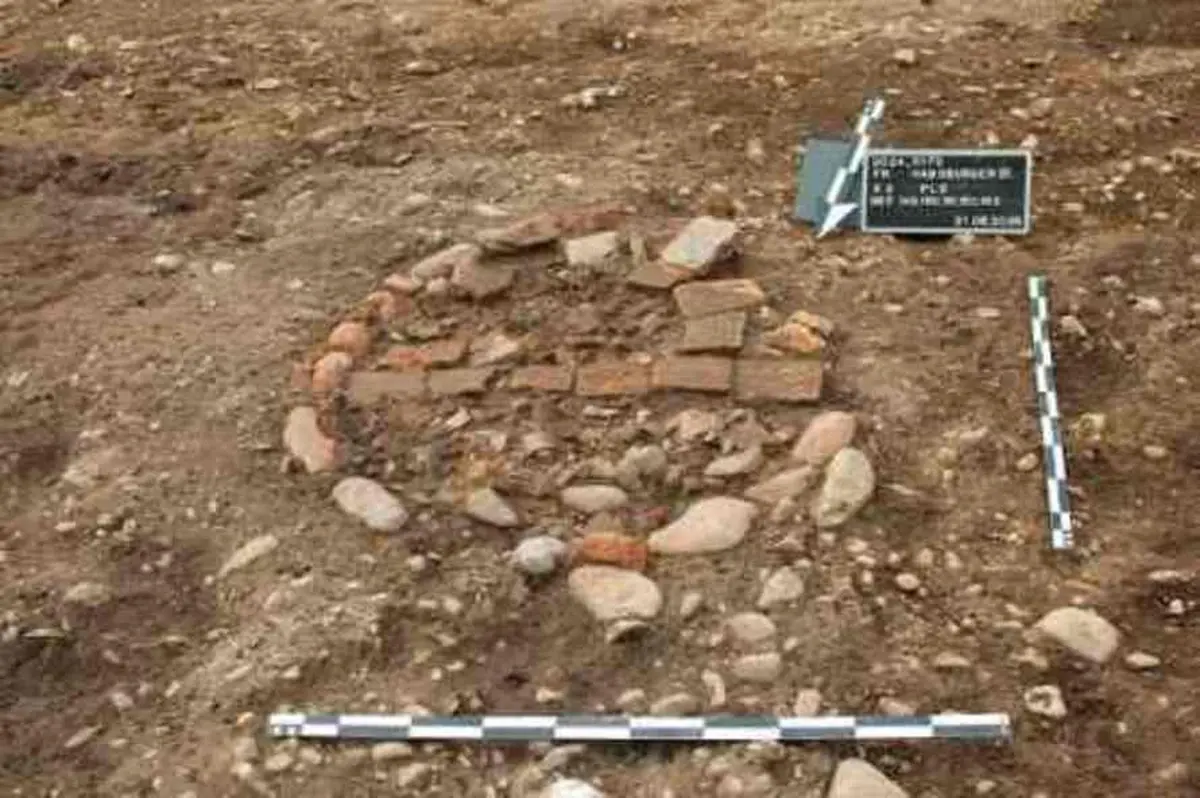
 During construction of the University of Applied Sciences in the historic university town of Freiburg in southwestern Germany, archaeologists made an astonishing discovery. They uncovered a clay pottery workshop dating to the early 14th century.
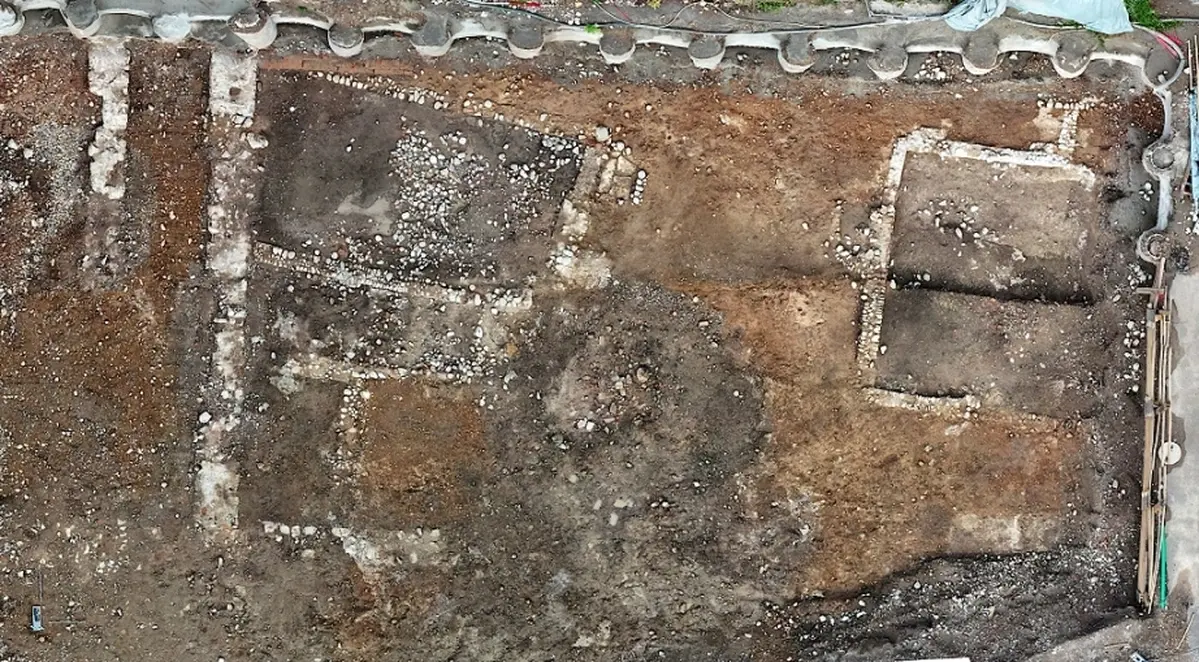
The excavation covered an area of about 4,000 square meters. During the dig, researchers found medieval pottery kilns, remnants of a long-forgotten street, and dozens of clay figurines that likely served as children’s toys nearly 700 years ago.
According to Dr. Bertram Jenisch from the State Office for Cultural Heritage (Landesamt für Denkmalpflege), the workshop is remarkably well preserved, unlike later buildings that were destroyed during World War II.
Among the findings is a section of the medieval street Ziegelgasse, which was once lined with houses and craftsmen’s workshops. Unlike the grander buildings in Freiburg’s center, these homes were modest, with practical layouts designed for daily life. Dr. Jenisch called the discovery a stroke of luck, since most medieval streets are now buried under modern infrastructure, Arkeonews reported.
A Tiny Toy Factory
The most remarkable discovery was pottery kilns from the 13th and 14th centuries — the first documented in the city. These kilns produced ceramics for household use as well as toys. Archaeologists uncovered fragments of more than 40 small clay figurines: men and women wearing headgear, mothers holding children, and horses.
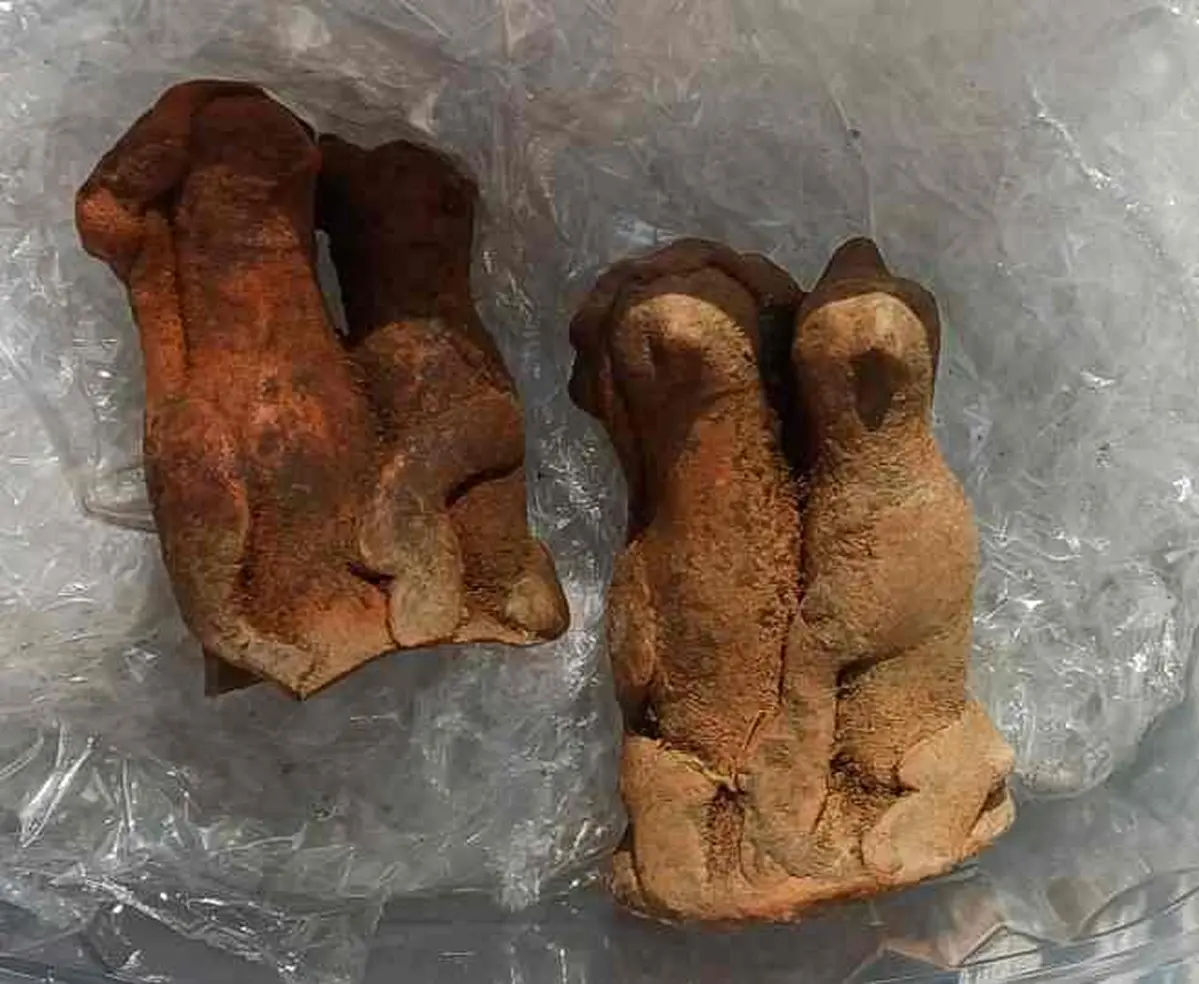
Dr. Jenisch believes these could be the work of a single craftsman who “specialized in making clay toys at the beginning of the 14th century.” He called the find “a true sensation for the history of Freiburg.”
For excavation leader Benjamin Hamm, the figurines are deeply moving; they represent more than artifacts. “It’s touching to see that there was room for childhood joy in life despite wars, disease, and religious conflicts,” he said.
The discovery also shed light on the planning and construction of the medieval city. Archaeological data confirmed that the street network was laid out first, followed by the division of the area with walls. A zone 42 meters wide, known as Almen, was designated for workshops and kilns.
For Freiburg, the discovery of these artifacts is immensely significant. It demonstrates a tangible connection to the city’s medieval roots and its inhabitants. The clay figurines are a reminder of a simple truth: children have always been the same — they play, imagine, and create their own worlds.