
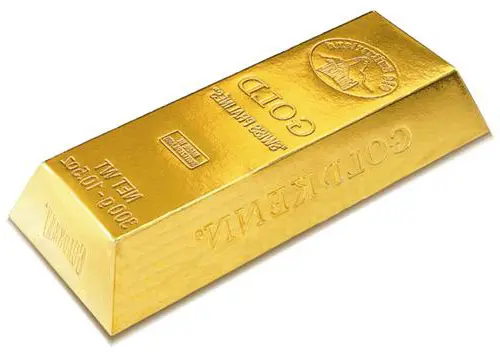
Two Czechoslovak chemists set out to answer a tricky question: how does the chemical composition of corn kernels vary from ear to ear? When they burned the samples and examined the ash under a microscope, they spotted shiny yellow threads and flakes among the gray clumps.
What was it? Gold — real gold. The corn roots, together with other salts, absorbed tiny amounts of dissolved gold from the soil, and the metal precipitated out during the burning process. But is it worth burning tons of corn to extract fractions of a gram of gold? Of course not. Corn is gold itself. In America, where its value was first fully recognized, grain stockpiles in warehouses grow by the ton every year. The value of the annual U.S. corn harvest rivals the worth of all the gold stored in the country’s vaults. The difference is that America’s predators have been hoarding that gold for decades, while corn produces an equivalent-value harvest every year—without bloodshed, without the human suffering that often accompanies the accumulation of gold in the capitalist world.