
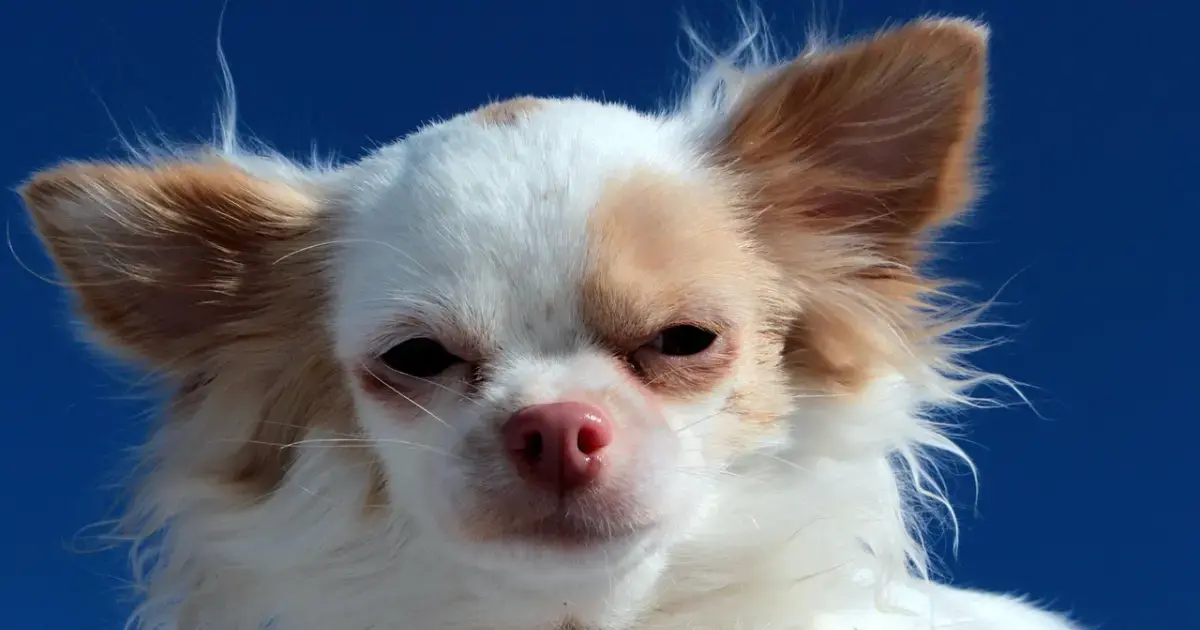
 When you take your retriever for a walk, its movements are clear and confident. Meanwhile, your neighbor’s Chihuahua often shakes for no apparent reason, so much so that you feel compelled to comfort it.
Why does this happen with small dogs? The answers from experts turned out to be more complex than expected.
In clinical settings, owners of miniature dogs report more frequent shaking from their furry companions, says Carlo Siracusa, a specialist in at the University of Pennsylvania School of Veterinary Medicine (USA). Although he hasn’t seen studies comparing shaking in animals of different sizes, he has often observed it in small dogs that were his patients.
Small Animals Defy the Laws of Physics
If these tiny creatures do indeed shake more, it’s likely necessary for maintaining a constant internal body temperature regardless of the season or the weather outside. This process is known as thermoregulation.
As Siracusa explained to Popular Science, small dogs lose a lot of heat due to their compact bodies and have a relatively large surface area compared to their body mass.
Compensating for this heat loss requires energy, and small dogs have to expend it in large amounts. It may seem that a Great Dane uses significantly more energy than a Papillon, but the relative energy expenditure of a Great Dane is lower, explains John Speakman, a biology professor at the University of Aberdeen (UK). He made this discovery in 2003. It turns out that small dogs burn about 60 percent more energy per gram of body tissue than larger dogs. However, this phenomenon is characteristic of all areas of life, noted Speakman.
He also added that “a large dog doesn’t need to start shaking until it gets very cold, whereas a small dog has to start shaking much earlier.”
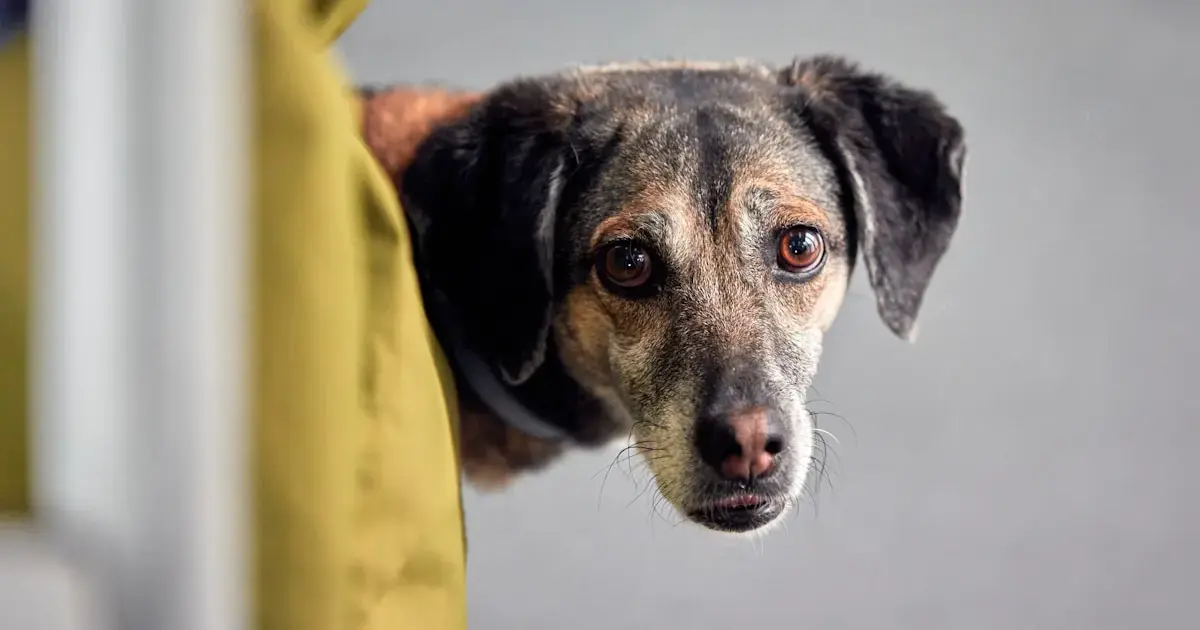
Temperatures Comfortable for Humans Aren’t Always Good for Dogs
Siracusa believes that small dogs shake more because they are closer to the ground, where cold air tends to accumulate.
To determine if low temperatures are indeed causing your four-legged friend to shake, the expert advises observing them in various conditions.
For instance, if it’s very quiet around and your resting dog is shaking, there’s a good chance they’re just too cold. While these body vibrations can also be caused by anxious dreams, they are usually short-lived.
If you suspect that the cause is indeed the cold, you should provide your pet with sources of warmth, such as heated beds and blankets. However, if they continue to shake even after warming up, it’s worth looking for other reasons.
If It’s Not the Cold, Then What?
Shaking can accompany neurological issues. This physical manifestation can also be a side effect of antihistamines and serotonergic medications that help dogs cope with anxiety and aggression.
There’s even a condition known as “small dog syndrome,” also referred to as “idiopathic generalized tremor syndrome,” where a dog shakes all over. The term “white” can be misleading: this condition occurs in animals of any color. However, the term “small” is quite fitting, as are more frequently affected by this ailment.
Another factor that causes small dogs to shake is their interaction with people. A small animal is easier to handle and dismiss. A large dog that lunges at someone is taken seriously, but when a tiny dog does it, it often just elicits laughter. This leads to fear signals being ignored, and the pet ultimately experiences stress. Naturally, when stress hormones are activated, muscles contract, and the dog begins to shake.
So, the next time you see a dog in such a state, remember that the cause could be cold, stress, or simply a characteristic of their build. Wrap them in a warm blanket, and if that doesn’t help, consult a veterinarian.