
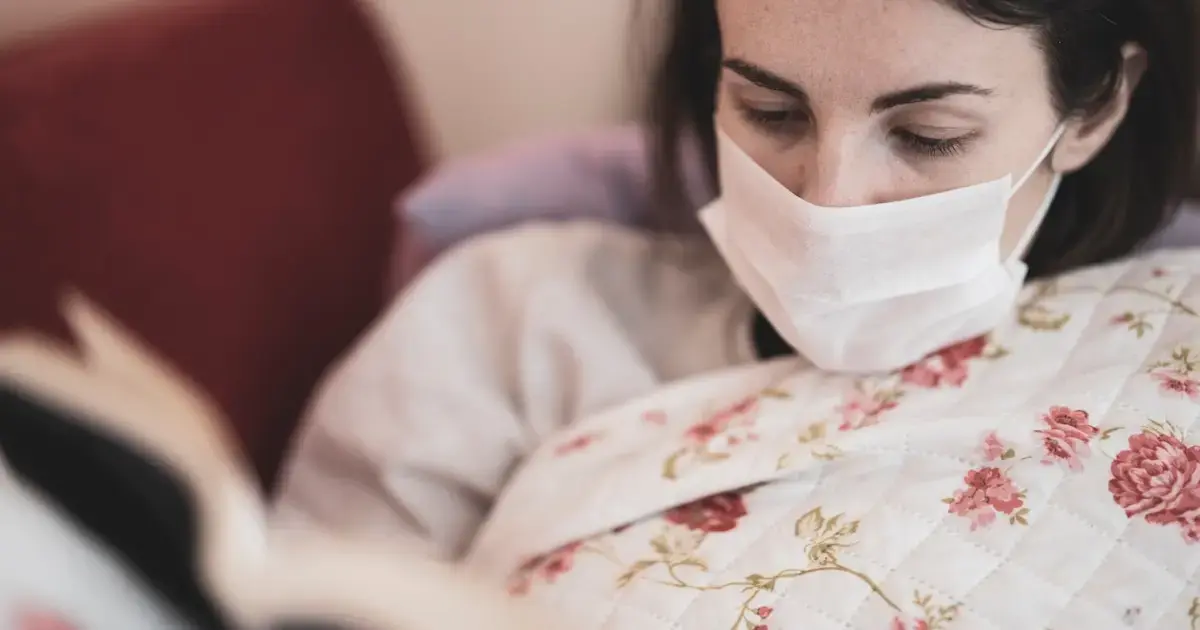
 This unfair phenomenon, often observed at the start of a or during holidays, is referred to by psychologists as the “disappointment effect” or “leisure sickness.”
While many are familiar with this concept, researchers have not studied it extensively, noted Tea van de Mortel, an honorary professor of nursing at Griffith University in Australia.
According to the expert, in 2002, Dutch scientists introduced another term – “holiday sickness syndrome,” which pertains to those who rarely fall ill during the workweek but often feel unwell on weekends or during holidays.
The researchers conducted a thorough study of this syndrome involving 1,893 participants. Common symptoms of illness during vacation included headaches or muscle pain, fatigue, and nausea. Most vacationers suffered from a . Scientists observed that symptoms typically manifested during the first week of vacation, and the likelihood of getting sick during this time was higher than on regular weekends.
Meanwhile, a 2014 study conducted by researchers in the United States revealed a paradox: a decrease in could trigger migraines within the next 24 hours. This means that if work was a source of stress, one could expect a migraine during days off.
Other studies indicate that often occur on weekends. Researchers suggest that lifestyle changes during days off may provoke these incidents.
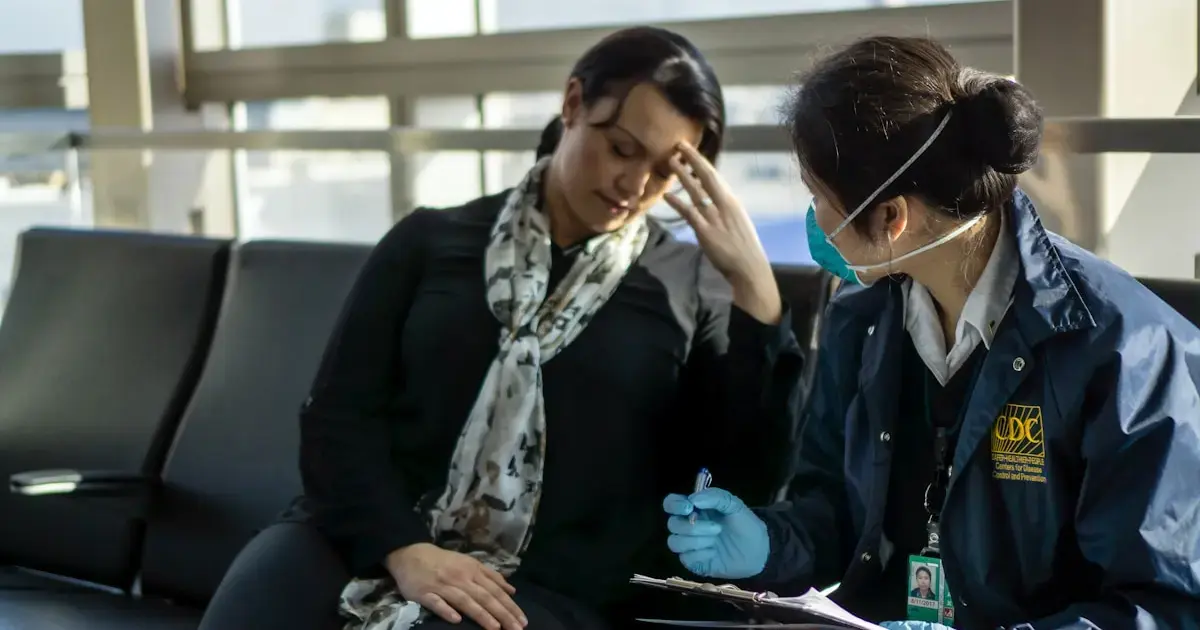
So, what’s happening?
Despite these observations, scientists do not fully understand the causes of leisure sickness. However, they have some theories, as reported by Science Alert.
During vacations, people often travel and find themselves in crowded, enclosed spaces (like airplanes), which increases the risk of infection. Traveling to distant countries potentially exposes vacationers to strains of microbes to which they have no immunity.
On holiday, people tend to consume more and may overexert themselves in other ways, putting their bodies under stress.
Another theory suggests that being busy at work prevents us from noticing symptoms of illness. Whereas during vacation, we tend to become more aware of them.
But isn’t vacation supposed to be good for our health? The reality is that there is a complex relationship between stress and the immune system. Stress activates the sympathetic nervous system and prompts our bodies to release hormones like adrenaline and cortisol.
Chronic stress maintains high cortisol levels, which diminishes the immune system’s effectiveness in fighting infections, making us more susceptible to illness when exposed to viruses or bacteria.
However, in the short term, adrenaline and cortisol enhance the function of certain components of the immune system. This means that acute stress can temporarily boost our resistance to infections. Thus, we feel busy and tense but do not get sick. Additionally, the anti-inflammatory properties of cortisol are linked to pain relief.
But when acute stress subsides, for instance, when we finally have a chance to relax, something unexpected can happen. We no longer benefit from the temporary boost in immunity or the pain-relieving effects of cortisol. That’s when we tend to fall ill, primarily experiencing symptoms like headaches and muscle pain.

How to avoid leisure sickness?
Professor Tea van de Mortel reminded us that an active , quality sleep, and a healthy, balanced diet contribute to strengthening the immune system.
A study conducted by Finnish researchers involving over 4,000 middle-aged civil servants showed that participants who regularly engaged in physical exercise, especially intense workouts, took sick leave less frequently than those who led a sedentary lifestyle.
The expert also recommends managing stress levels, particularly through meditation and relaxation techniques.
To reduce the risk of respiratory illnesses during vacation and fully enjoy your time off, it’s essential to get timely vaccinations for flu and COVID-19, as well as take other precautions, such as wearing masks on airplanes and in airports.
Photo: Unsplash