
 As we age, we face more challenges related to personal grooming. For instance, areas of the body that were once ignored in youth start to sprout more .
This is particularly true for the nose and , where hair growth becomes thicker and longer. It turns out that the primary reason for this phenomenon lies in our sex hormones.
There Are Two Types of Hair on Our Bodies
Human bodies have two distinct types of hair. The first is vellus hair, which is fine and colorless, covering most of the body.
The second type is terminal hair: it is coarse, thick, and darker. Terminal hairs typically protrude noticeably from the skin.
When we feel cold, our hair stands on end, helping to retain heat and keep us warm. It also protects us from the sun (like the hair on our heads) and prevents dust and dirt from entering (such as eyebrows and eyelashes).
Since vellus hair is shorter, finer, and colorless, it generally doesn’t pose any aesthetic issues. This is not the case with terminal hair, which often grows in unwanted places.
The normal hair growth cycle includes a growth phase for the follicle, a regression phase, and a short resting phase, after which the hair falls out and is replaced by new growth. About 90 percent of the hair on our bodies is in the growth phase at any given time, according to Popular Science.
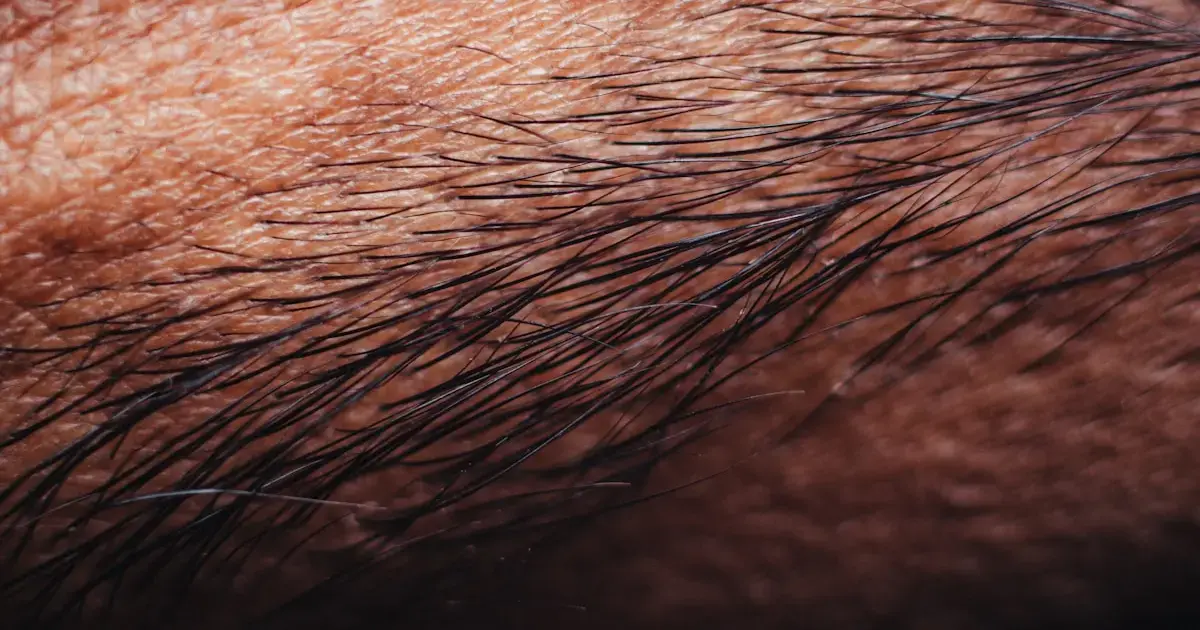
Hair in the nose and ears typically doesn’t grow very long. This is because the growth phase for their follicles lasts only about 100–150 days, setting a limit on their maximum length.
In comparison, hair on the head has a growth phase that can last several years. So, if left uncut, it can grow to over a meter in length.
Why Do We Have Hair in Our Noses and Ears?
Each nostril has about 120 hairs, with an average length of around one centimeter. When a person breathes through their nose, these hairs and the mucus in the nostrils trap and collect dust, pollen, and other airborne particles that could enter the lungs.
Hair in the ears also serves a protective function, catching foreign objects and interacting with earwax to facilitate self-cleaning processes.
Aging and Unwanted Hair
A group of known as androgens plays a crucial role in human maturation and development, as well as sexual health. The most common androgen is testosterone.
Androgens influence hair growth, which is why we suddenly see more long and thick hair in our noses and ears.
Hair responds differently to androgens in various parts of the body. In some areas, hair growth is activated during puberty (like in the pubic region and on men’s faces). In other areas, hair does not respond to sex hormones at all (like eyelashes). Meanwhile, in some regions, hair grows significantly slower; for example, hair in the ear canal can take about 30 years to grow.
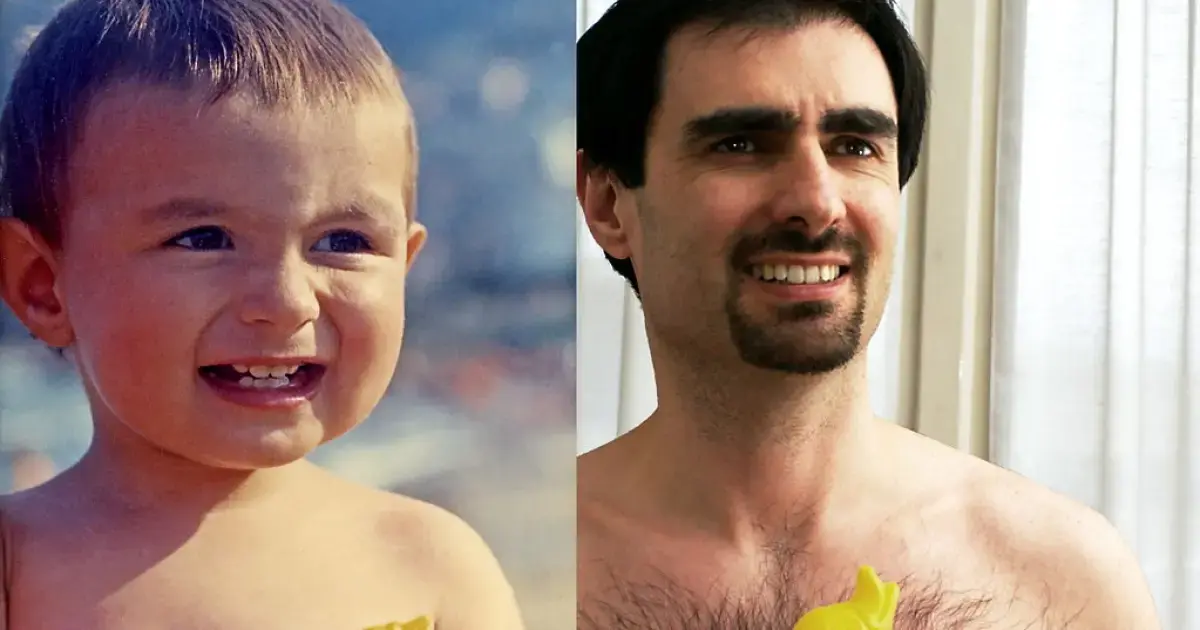
Women have lower levels of androgens in their bodies. Therefore, the primary changes in hair growth for women are mostly localized to the underarms and pubic area.
Experts periodically propose various hypotheses about why hair begins to grow more in the ears and nose as we age.
Due to years of exposure to androgens, certain areas of the body become more sensitive to testosterone, which can potentially stimulate hair growth. Over time, with prolonged exposure to testosterone, some fine vellus hairs may change, becoming darker and longer. Then, they can unexpectedly protrude from the nose and ears.
Another factor is the age-related decline in the protein globulin (SHBG) levels. Throughout life, SHBG helps regulate the amount of sex hormones, including testosterone and estrogen, that enter tissues. As we age, SHBG levels drop faster than androgen levels, causing testosterone to stimulate hair growth in the ears and nose.
Hair growth in the ears and nose is most pronounced in men, as they have higher testosterone levels.
Should We Be Concerned About This?
Generally, this is not a problem. Having hair in the ears does not affect hearing in any way. However, if a person uses a hearing aid, excess hair may reduce its effectiveness. In such rare cases, it’s advisable to consult a doctor.
The real issue is the unappealing appearance of this hair, which can lead to feelings of self-consciousness.
Plucking hair in these areas with tweezers can lead to infections, ingrown hairs, and inflammation. It’s much safer to use a trimmer or schedule sessions for laser hair removal.
Photo: Unsplash
