
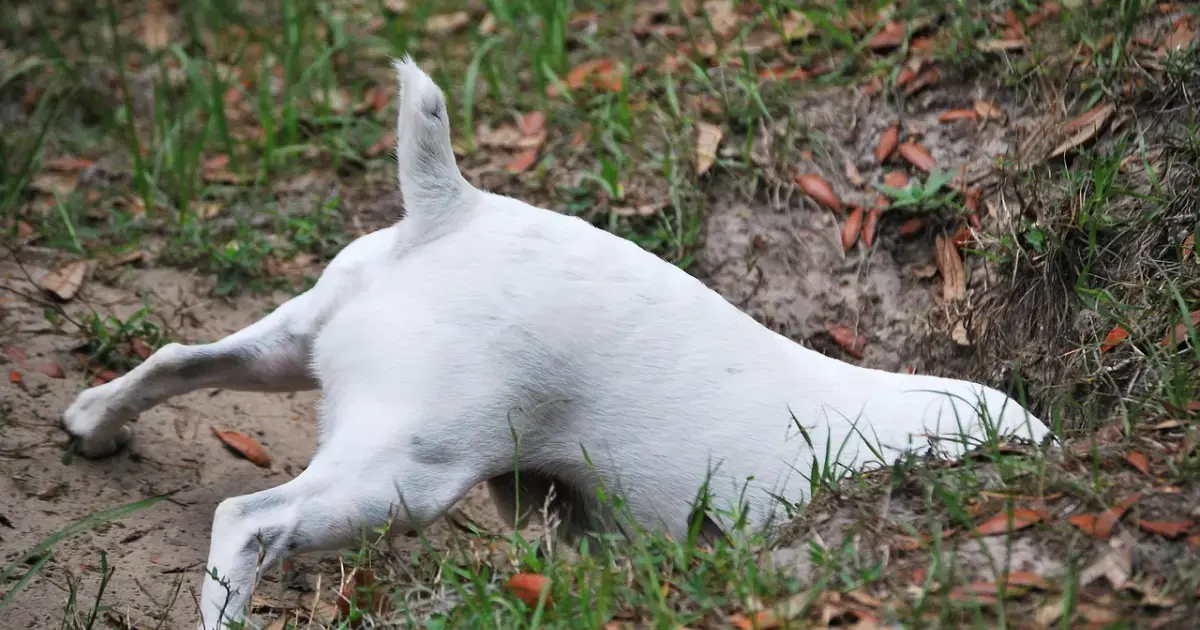
It might seem like dogs are acting like paranoid creatures preparing for the end of the world. But that’s not the case.
According to Mia Cobb, a researcher at the Animal Welfare Research Center at the University of Melbourne in Australia, this behavior reflects how modern dogs’ actions are shaped by their evolutionary past.
So, why do they do it?
When examining such cases, scientists often use the term “food caching,” which refers to storing food in cozy spots for later use. This behavior is quite common across the animal kingdom.
One type of this behavior is known as larder hoarding. For example, a squirrel hides nuts in just one or two locations to survive the long winter.
The second type is scatter hoarding, where animals create small caches in various places, reducing the likelihood of losing all their food at once to a thieving competitor and ending up hungry. Scatter hoarding is most often observed in wild canids, such as foxes and wolves, as reported by Science Alert.
As for domestic dogs, this behavior reflects the competitive feeding patterns of their ancestors, who hunted and faced unpredictable food availability that was crucial for survival.
Clearly, dogs rely on a combination of smell and spatial memory to remember where they’ve hidden important items.
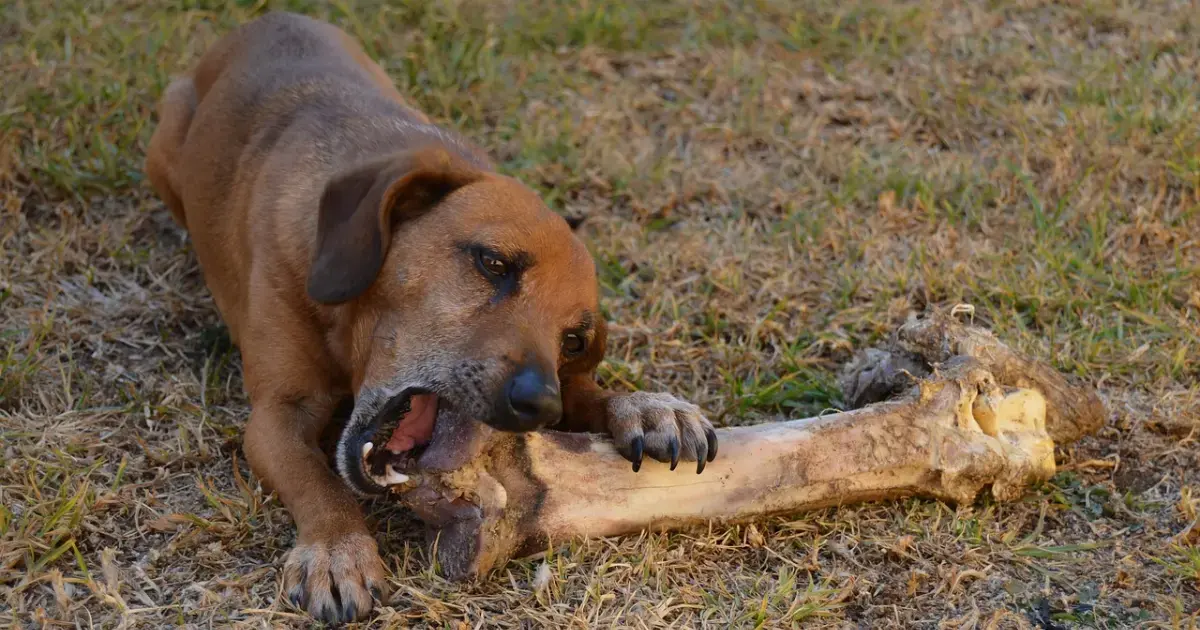
Is your dog afraid of not being fed?
No, domestic dogs don’t worry about being left without food, says Mia Cobb. This behavior is driven by an inherited survival mechanism. It shouldn’t be seen as evidence that they anticipate future hunger.
However, dogs that have experienced food scarcity — such as strays — may indeed be concerned about food supplies. This concern is a protective mechanism shaped by experience. It is also exhibited by some hunting breeds like terriers and hounds.
Is this behavior a problem?
If you’ve noticed that items in your home are disappearing more frequently, it’s not something to ignore.
If you’ve invited a dog to live with you, provide an environment that allows for the expression of their natural behaviors. This includes daily physical activity, social interaction, and regular mental stimulation.
Use snuffle mats and interactive puzzle toys for slow feeding to stimulate a dog’s “hunting” for food, helping them combat boredom and anxiety while providing enjoyable activities.
The next time you see your dog carefully hiding something, relax — your dog is simply displaying normal, natural behavior rooted in its wild ancestry.
If you’re still concerned about your dog’s tendency to hoard items, consider scheduling a consultation with a pet psychologist.
Photo: pexels.com