
 The reputation of Friday the 13th as an unlucky day is often linked to one of the most dramatic events in history—the crucifixion of Jesus. Over time, this ominous date has accumulated various superstitions believed to bring misfortune for years to come. The origins of this fear can be traced back to folk legends surrounding the Last Supper, which took place nearly 2,000 years ago. This and other fatal coincidences are discussed by the online portal Daily Mail.
The Fatal Supper and the Curse of the Templars
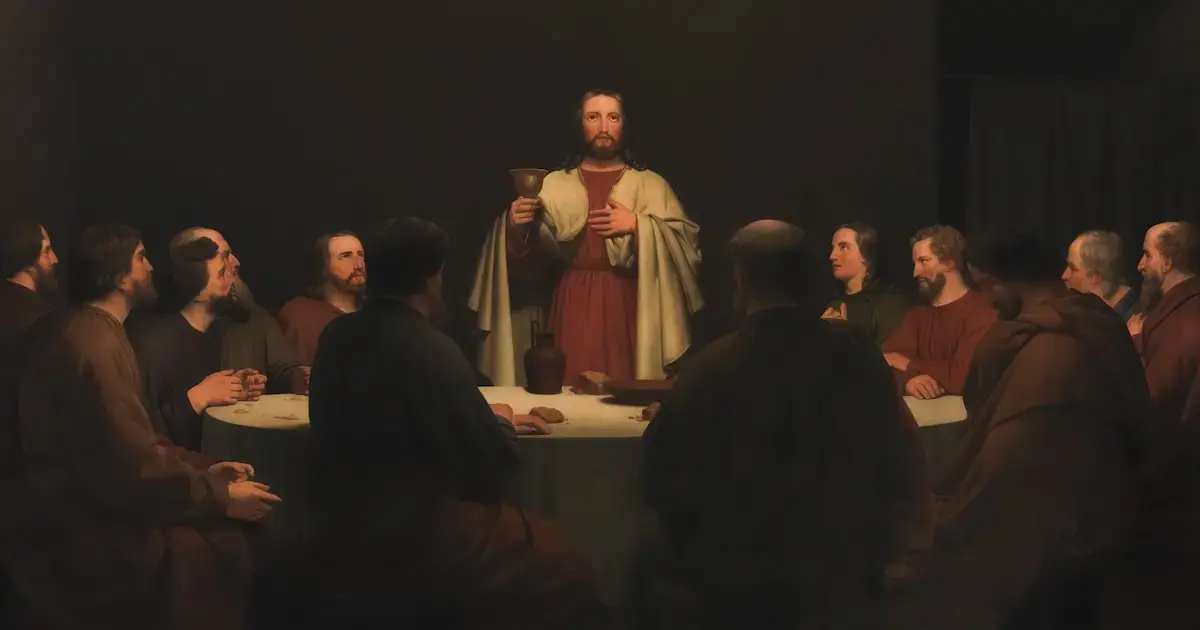
At , twelve disciples gathered. Judas was the thirteenth at the table—he was the one who betrayed the Teacher. After the trial by Pontius Pilate, Christ was crucified, and this occurred on a Friday. Since then, the world has feared the combination of this number and day, as they have become symbols of betrayal and death. In remembrance of these events, believers still fast on Good Friday, and this date has earned a reputation as a “black” day.
History records another instance of mass betrayal associated with this date, popularized later by Dan Brown in his novel “The Da Vinci Code.” In October 1307, French King Philip IV, along with Pope Clement V, orchestrated a real hunt for the Knights Templar. They were arrested en masse, and Grand Master Jacques de Molay was burned at the stake. This occurred on Friday the 13th, and before his death, the master cursed his executioners. When both the king and the pope died within a year, the world was convinced: this day brings misfortune.
Why the Number 13 Became “Unlucky”
Numerologists and historians note that the fear of the number thirteen did not arise without reason. The number twelve has long been considered a symbol of completeness and perfect order. We have 12:
- months in a year,
- ,
- Olympian gods,
- tribes of Israel.
In contrast, the number 13, which follows the perfect twelve, was perceived as something abnormal that disrupts the harmony of the Universe. This “thirteenth element” has always introduced chaos into the system, which is why it is still avoided in architecture, floor numbering, and planning significant events.
Early Mentions in Literature and the Scandinavian Connection
Although humanity has feared this date for centuries, it first appeared in literature in 1834. At that time, French Marquis de Salvo described the story of a count who killed his daughter on Friday the 13th. The author emphasized that the misfortune occurred precisely because of this fateful combination. That same year, the cursed date was also mentioned in theater: in a play by de Rochefort-Lusé, the main character lamented that he was born on such a day, and that is why his entire life was a series of misfortunes.
However, the roots of this fear go even deeper—back to snowy Scandinavia. In Norse mythology, there is a popular story about a banquet in Valhalla, where twelve gods gathered. The cunning Loki arrived uninvited as the thirteenth guest, leading to chaos and the death of Baldur, the god of light. The world was plunged into darkness, and the mother of the deceased, the goddess Frigg, was left in eternal mourning. It is from her name that the English word for Friday—Friday—derives, and these legends have been passed down by the for centuries.
Modern Phobias and Everyday Superstitions
Today, this ancient mix of biblical events, numerology, and myths has transformed into a genuine phobia. Psychotherapist Donald Dossey even coined a special term for it—Friggatriskaidekaphobia. This fear runs so deep that on Friday the 13th, people begin to fear even those things that usually do not scare them.
On this day, everyday superstitions—such as breaking a mirror, opening an umbrella indoors, walking under a ladder, or encountering a black cat—seem particularly ominous. Although each of these superstitions has its own history, it is the fateful date that brings them together, amplifying the reputation of this “cursed” day.
Editor’s Tip: While Friday the 13th is steeped in myths of Judas’ betrayal and Jacques de Molay’s curse, psychologists believe it is merely a trick of our imagination. Don’t let digital phobias ruin your mood!
Photo: Unsplash
