
 In today’s fast-paced world, where constant busyness and productivity are the norms, we often overlook one of our most essential human needs—the need to play. Adult life is typically associated with seriousness, yet new research published in ScienceAlert reveals that playfulness is crucial for our well-being. It’s not just a pastime; it’s a powerful mechanism that helps adults feel happier and effectively manage daily stress.
The Psychology of Play: More Than Just Fun
Researchers Scott Duncan and Melody Smith emphasize that for adults, play is less about toys or gadgets and more about a unique way of perceiving the world. Playfulness manifests through spontaneity, curiosity, and the ability to enjoy the process without expecting a specific outcome. Studies show that individuals with a developed sense of playfulness exhibit greater resilience and can find positive moments even in challenging life circumstances.
The psychology of play acts as a “safety valve” for our nervous system. It allows us to step outside of social roles and the pressure of responsibilities for a while. Moreover, playful individuals often possess a higher level of emotional intelligence, enabling them to better understand themselves and others. This becomes the foundation for , which is especially valuable in adulthood.

Neurobiology and Social Benefits of Playfulness
Recent scientific findings indicate a potential neurobiological link between a playful mindset and cognitive health. Engaging in active and playful leisure stimulates the brain to form new neural connections, which can serve as and mitigate other age-related changes. Play activates planning centers in the frontal cortex, keeping the brain sharp.
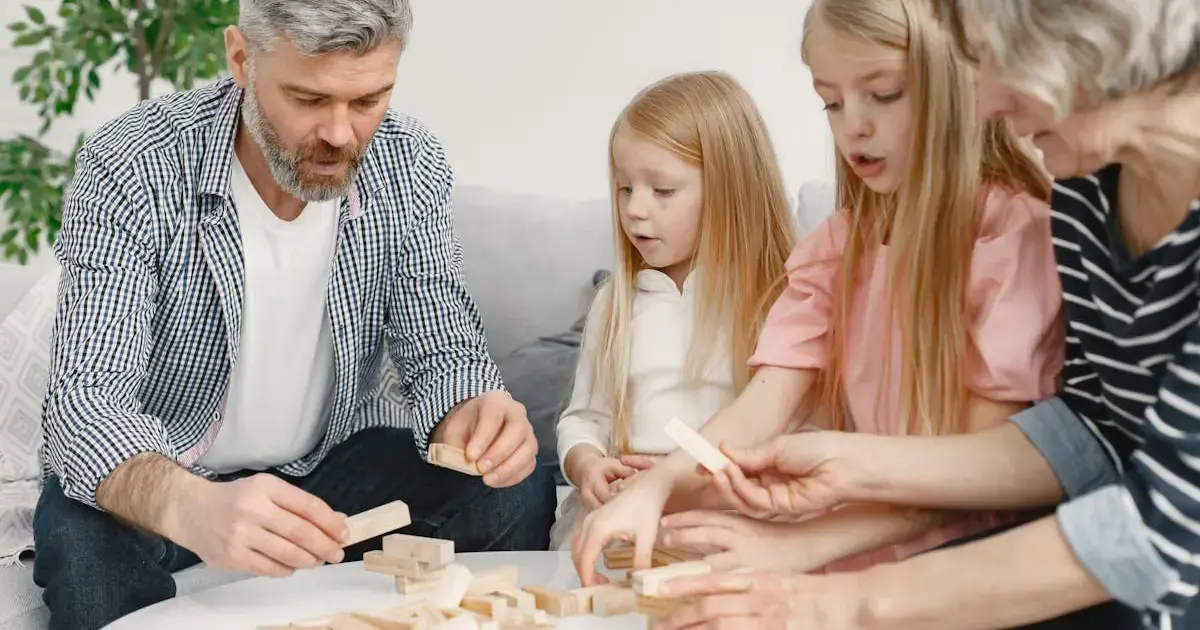
Play holds particular significance in a social context. It serves as a “universal language” that transcends age and status boundaries. When people from different generations play together, age differences fade away, giving way to genuine interaction and shared enjoyment. This helps dismantle age stereotypes and strengthen family bonds. By developing new hobbies, we not only fill our free time but also create shared emotional resources that help communities and families navigate challenges together.
How to Integrate a “Playful State” into Daily Life
For adults, play doesn’t necessarily mean engaging in active games at a playground. It can involve intellectual humor, , or even an unconventional approach to solving work tasks. Experts advise not to shy away from being “lighthearted.” Research shows that even in urban environments, interactive elements like unusual benches or adult play zones encourage people to explore their surroundings and engage socially.
It’s important to normalize playfulness in society. When we allow ourselves to play, we not only learn how to be happier but also set an example for others, creating an atmosphere of openness and support. Play provides us with a space for rejuvenation, helping to relieve tension and maintain quality of life for years to come.
Photo: pexels.com