
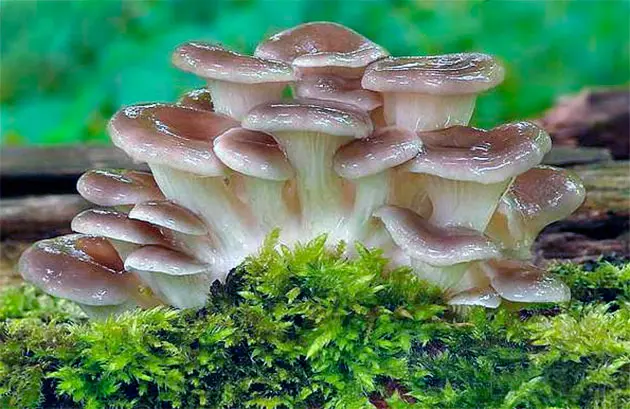
Not long ago, wild mushrooms were a common sight on dinner tables. Now their numbers are shrinking each year, and eating them is riskier because of accumulating contaminants. That concern has driven two decades of interest in cultivating mushrooms—like button, oyster, and winter mushrooms—under controlled conditions. Cultivated mushrooms offer strong nutritional advantages and can rival vegetables and meat. They contain protein (3.0–8.0% by dry weight), carbohydrates (3–5%), fats (0.5–4.5%), vitamins, extractives (up to 52%), and mineral salts; protein is the most prominent component. For example, growing edible mushrooms such as button mushrooms can yield about 3,300 grams of protein per square meter, while grains, vegetables, and potatoes typically produce only 20 to 200 grams.
The fruiting bodies of cultivated mushrooms contain all the essential amino acids, with glutamic and aspartic acid among the most abundant. Studies in Japan found that the winter mushroom is especially high in arginine and lysine, amino acids that can support memory and other cognitive functions.
Beyond basic nutrition, cultivated mushrooms contain bioactive compounds that may prevent or help treat various diseases. Some studies suggest the common oyster mushroom can help remove radioactive elements from the body. Other research indicates that, because dried fruiting bodies can contain 14–47% protein, cultivated mushrooms may aid in managing hepatitis, stomach ulcers, and high cholesterol, and they have shown anti-tumor activity in some studies. They also supply vitamins A, C, and D, the B vitamins (including niacin, vitamin B3), and pantothenic acid.
The mineral profile of mushrooms includes key trace elements for human nutrition—especially potassium, magnesium, and iron—and their phosphorus content is comparable to that of fish.
Cultivated mushrooms are very versatile in the kitchen. Dry them, salt them, pickle them, use them in cold appetizers, soups, and main dishes, or pair them with meat, vegetables, and other ingredients.
Right now there are about ten domesticated mushroom species. In our country, the button mushroom is the most widely grown, while interest in the common oyster mushroom keeps rising. Some amateur growers are also experimenting with morels, ring mushrooms, winter mushrooms, and summer honey mushrooms.
In addition to being relatively high in calories, cultivated mushrooms have the advantage of year-round production. They can be grown on a wide range of waste materials as substrate: straw, corn cobs and stalks, residues from oilseed crops, hay, leaf litter, vegetable tops, sawdust, peels, wood chips, manure, and poultry droppings. That approach not only helps produce food protein but also recycles waste that otherwise pollutes the environment. The nutrient-rich substrate left after harvest makes an excellent organic fertilizer for vegetable, fruit, and ornamental crops.
In our country, oyster and button mushroom production is beginning to develop. There are now more than 2,000 farms and tens of thousands of amateur mushroom growers. Two paths have emerged in mushroom farming—specialized industrial companies and hobbyists. Both groups face many questions about compost preparation, which can determine up to 90% of the yield, as well as about cultivation techniques and transporting ready-made mycelium.
Grain mycelium, for example, is a perishable product, and shipping it to remote regions of the country is feasible only by air or refrigerated trucks. Some mushroom companies buy planting mycelium for their own use and also resell it to amateur growers.
