
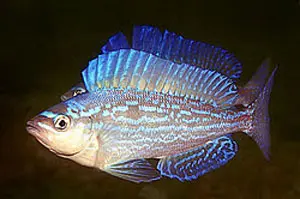
In many fish species, especially marine ones, females are drab while males are flashy — true “fashionistas” dressed like Spanish grandees. That’s the case with the smarida fish. Male smarida are colorful, sporting stripes along their sides.
But the females don’t envy the males. Part of the reason is that females eventually transform into males. It’s a remarkable phenomenon: all the eggs hatch into females, but after three years those females become males.
Equally astonishing transformations occur in the black sea bream. Individuals are born male but later turn into females. Their hair-like covering is no joke either; in some species it can reach up to 140 centimeters.
However, the rhinoceros’s fearsome horn isn’t bone like an elephant’s tusk, and it’s structurally different from horns that have a keratin sheath over bone, like those of buffalo or bison. Instead, the rhino horn consists of tightly compressed hair fibers. A sharp knife can split the horn apart, revealing a mass of hair.