
Researchers at Ghent University in Belgium and the University of Warsaw in Poland found that ancient Roman wine had a slightly spicy flavor with notes of toasted bread and walnuts.
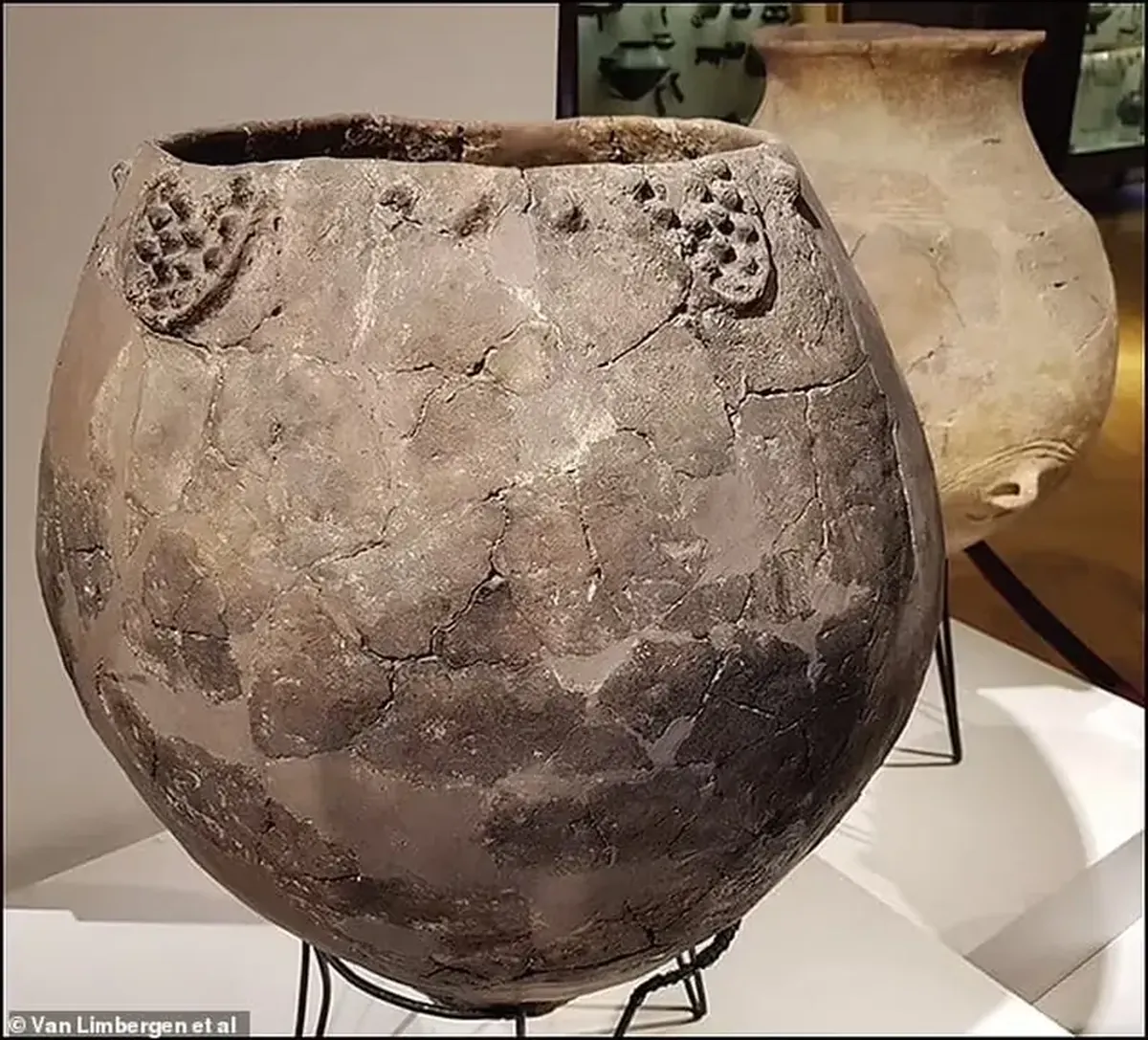
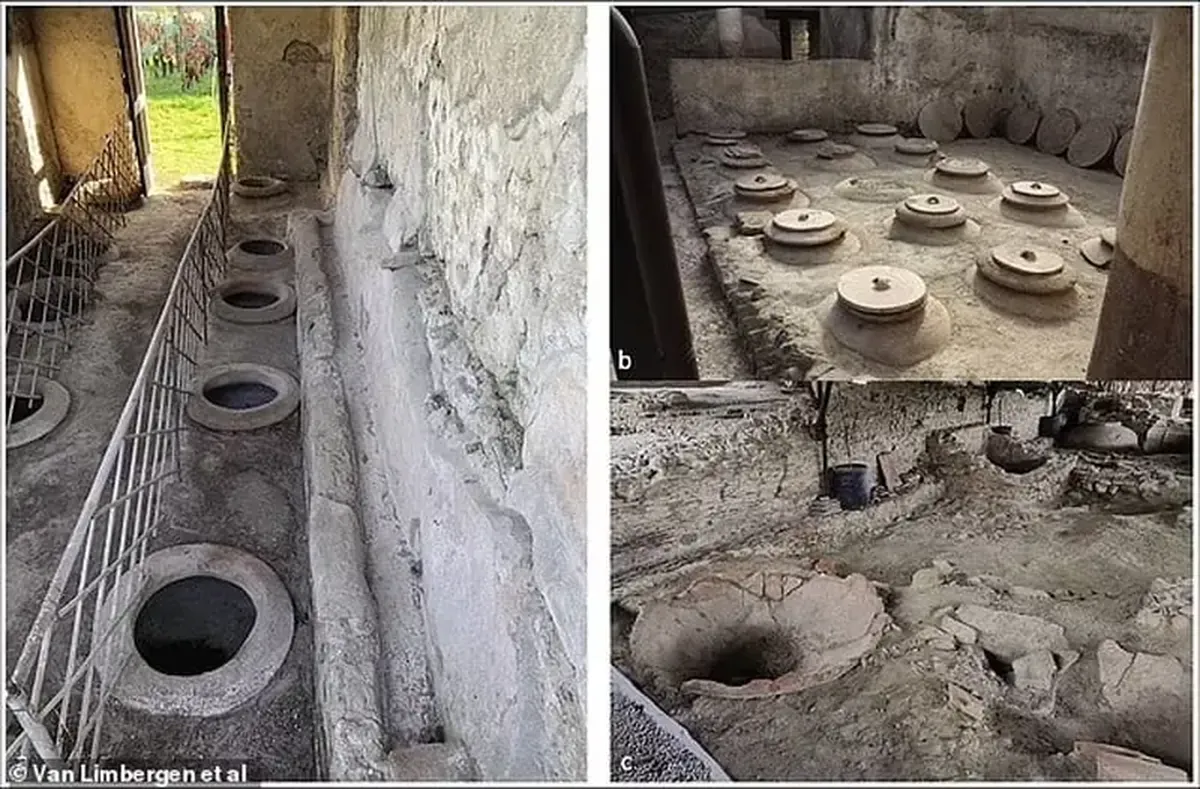
To understand what wine was like in Ancient Rome, the team analyzed dolia—clay jars that the Romans used for winemaking.
Tracing Lost Technology
The ancient Romans were renowned for their love of wine. But what kind of wine did they consider the best? Until now, little was known about the characteristics of this intoxicating beverage. The key to the mystery lay in the dolia, which resembled barrels with a tapered bottom.
Previous research hadn’t examined the role of these clay vessels in Roman winemaking or their impact on the appearance, aroma, and taste of ancient wines.
The analysis of the dolia indicated that, 2,000 years ago, Roman wine was slightly spicy in flavor. In the hands of ancient winemakers, it developed aromas of toasted bread and walnuts. While some might find this unappealing, the study suggests the wine left a dry sensation in the mouth. However, this characteristic may have been appreciated by Roman connoisseurs, according to the Daily Mail.
In their study, the team led by Dr. Dimitri Van Limbergen also compared Roman dolia to similar vessels called qvevri, which are still used by winemakers in Georgia.
The team found that several factors influenced ancient Roman wine, including the shape and material of the dolia, as well as the conditions under which the wine was aged.
Regarding shape, the narrow bottom of the dolia prevented excessive contact between solid grape particles and the wine during fermentation. Experts believe this increased the wine’s longevity and gave it a beautiful orange hue.
By burying the lower part of the vessels in the ground, the Romans could control the temperature and pH of the wine. The team found that these conditions promoted the formation of surface yeasts and the compound sotolon, which likely contributed to the wine’s spicy flavor and distinctive aroma.
The Significance of Porous Clay
Unlike modern industrial containers made of metal, the Romans’ clay vessels were porous, which facilitated the oxidation of wine during fermentation.
As the study puts it: “Uncontrolled contact with air turns wine into vinegar, but with controlled oxidation, excellent wines can be produced, as it concentrates color and creates pleasant herbal, nutty, and dried fruit flavors.” The authors add that the mineral-rich clay also contributed to the wine’s dry mouthfeel.
The study concluded that dolia were not just ordinary storage containers; they were meticulously designed, and their composition, size, and shape helped produce various wines with unique sensory characteristics.
The evidence suggests the Romans knew what they were doing when it came to winemaking.