
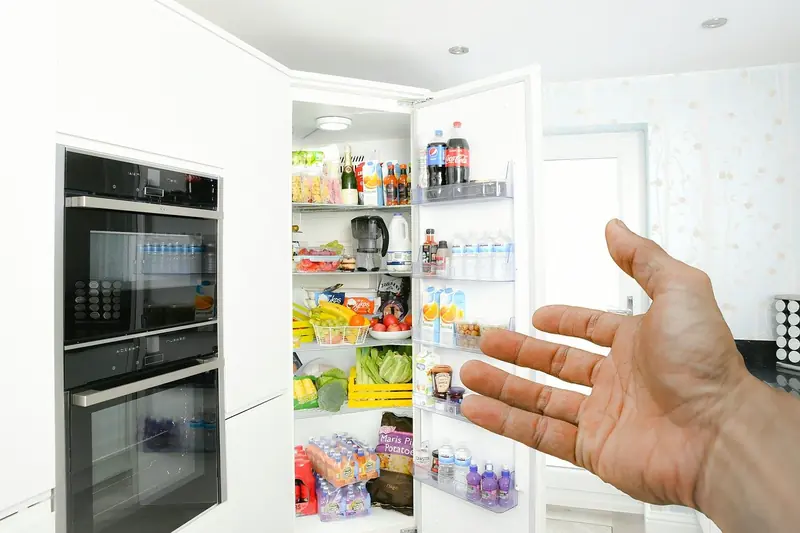
The refrigerator is the centerpiece of every kitchen, and as such, it requires special care and attention.
Experts from the British magazine Which? have identified the ideal spot for every item in your fridge. They also settled the debate on where ketchup belongs in the kitchen.
How to Organize Your Refrigerator?
First, the authors warn that improper use of the refrigerator can make food spoil faster than you’d like.
No matter how old your appliance is, the temperature varies across the shelves. The higher the shelf, the warmer it is.
Reserve the top shelf for cured meats, sausages, leftovers, cream-filled cakes, and other ready-to-eat foods.
The middle shelf is for dairy products: cheeses, eggs, butter, and yogurt.
While many of us store milk in the fridge door, Which? also recommends keeping it on the middle shelf.
The bottom shelf is meant for raw meat and seafood before cooking.
Keep raw meat, poultry, and seafood in airtight containers to prevent them from contaminating other foods, the experts said.
Meanwhile, store fruits and vegetables separately in the designated drawers.
Finally, use the door shelves—the warmest part of the fridge—for condiments like mayonnaise, pesto, tartar sauce, and salad dressings. Many condiments contain natural preservatives such as vinegar, so they don’t need the colder parts of the fridge.
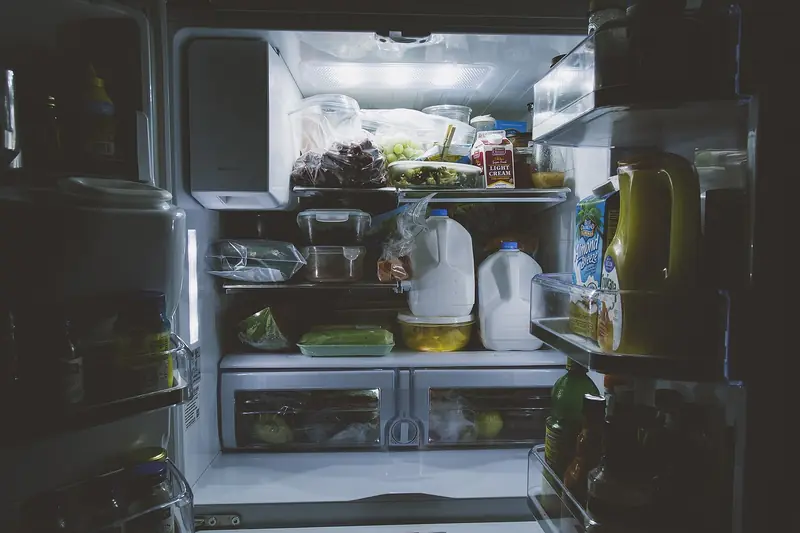
What Not to Store in the Refrigerator?
There are several items that many people keep in the fridge despite them being better suited to the kitchen cabinet. These include bread, cucumbers, and tomatoes. Other items that can safely be stored in the pantry include soy sauce, mustard, pickles, and chili sauce.
Ultimately, the experts found a proper place for ketchup, which many home cooks mistakenly store in the fridge. Ketchup belongs in the cabinet, too. Tomatoes’ natural acidity, along with vinegar in some recipes, helps ketchup stay fresh for a long time.
What Temperature Should Your Refrigerator Be?
According to Which? experts, the optimal temperature for a refrigerator is between 32°F and 41°F (0°C to 5°C).
Above 46°F (8°C), most harmful bacteria multiply rapidly in food.