
 Researchers from Pusan National University (PNU, South Korea) have developed a specialized laboratory chamber to measure the emissions of ultrafine particles (UFP) into the atmosphere produced by various .
These ultrafine particles are less than 100 nanometers in size, meaning they are so small that they can easily penetrate the human body.
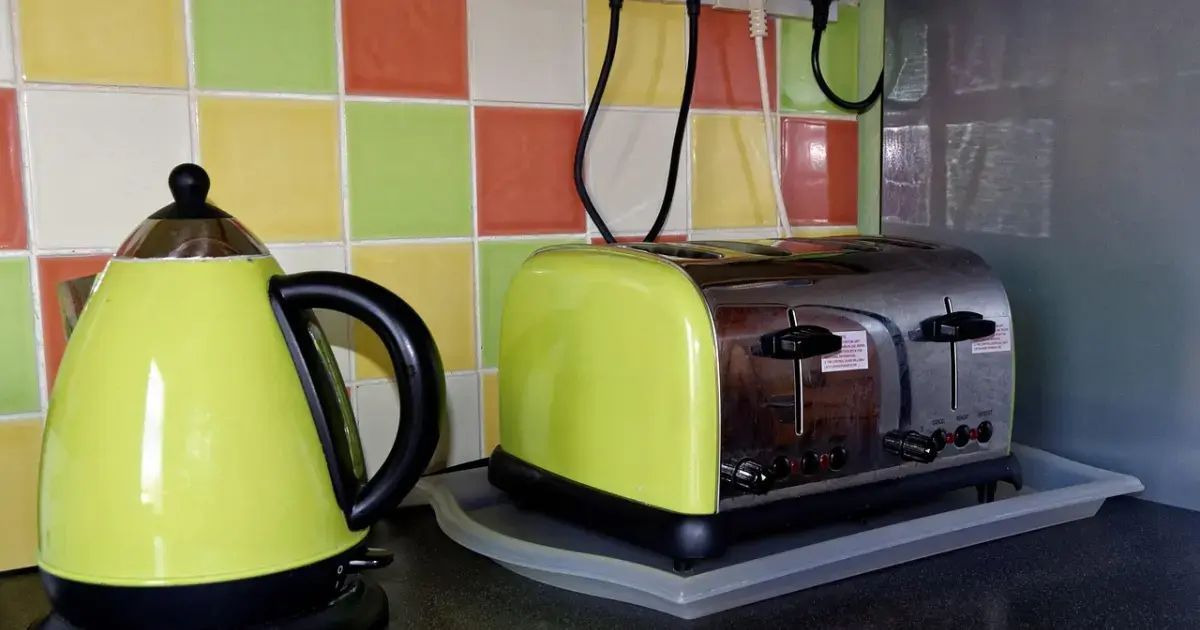
The team tested various types of toasters, air fryers, and hair dryers. It turned out that most of these appliances emitted a significant amount of UFP. The most dangerous was a toaster with a pop-up mechanism, which (without bread inside) released about 1.73 trillion of these particles per minute.
Simulations conducted by the team showed that UFP are too small to be filtered by the nose, allowing them to easily and deeply penetrate the lungs of both adults and children. Due to their smaller airway diameter, children may be at an even greater risk of exposure to these particles, as reported by Science Alert.
“Our research highlights the need for designing electrical appliances with consideration for harmful emissions, as well as developing recommendations for indoor air quality,” said environmental engineer Changhyuk Kim, the lead author of the study.
According to him, heating elements and brushed DC motors in devices played a significant role in UFP emissions. In contrast, tested brushless hair dryers emitted 10 to 100 times fewer particles than those with motors.
Moreover, in addition to UFP, researchers found traces of heavy metals—copper, iron, aluminum, silver, and titanium—in indoor air. These metals likely enter the air directly from the coils and motors of household appliances.
“When entering the human body, the heavy metals contained in these particles increase the risk of cytotoxicity and inflammation,” emphasized Kim.
Researchers have previously conducted studies on this topic, and both past and new findings are not optimistic. UFP are typically associated with cardiovascular diseases, asthma, , , and .
Recently, scientists have been dedicating more research to indoor air quality issues, particularly the impact of household appliances, deodorants, or hair sprays on our health. With global warming (and the COVID-19 pandemic), many people are spending more time indoors than ever before.
Researchers believe that systematic measures need to be taken to enhance the safety of household appliances and reduce UFP emissions. “Understanding the sources of pollution will help develop preventive measures to maintain healthy indoor air quality,” says Kim.
The study’s findings were published in the Journal of Hazardous Materials.
Photo: pixabay.com
Common household appliances emit trillions of harmful particles, according to scientists.
0