
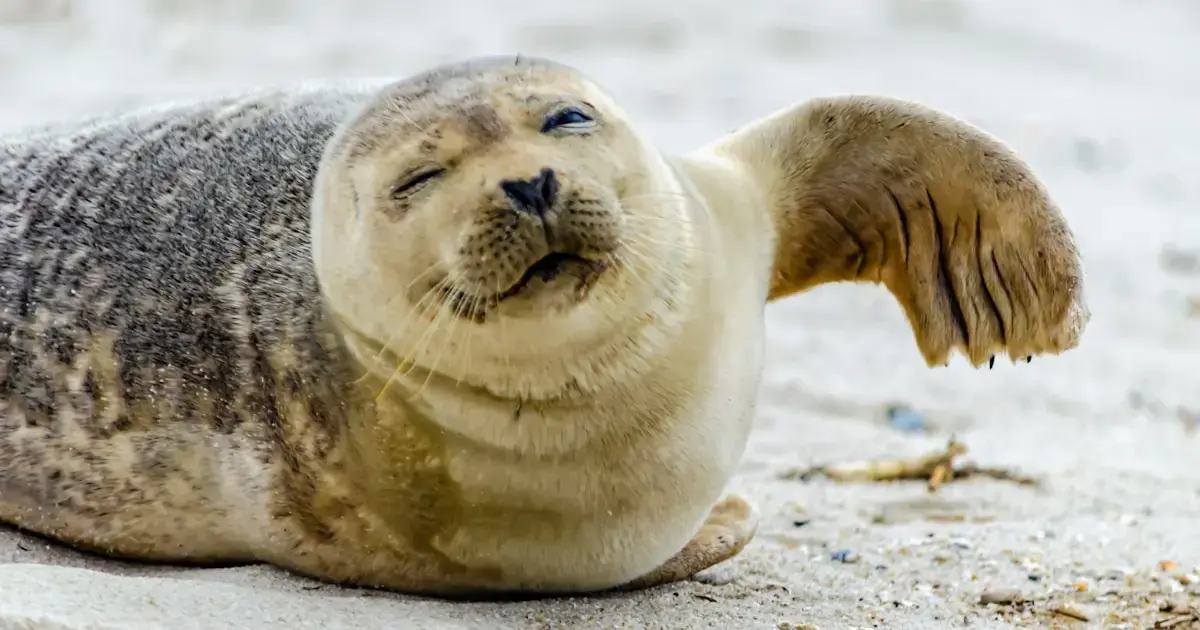
 Researchers from the University of California, San Diego, have reported that seals sleep an average of two hours a day while in the water. However, this sleep is fragmented, divided into short dives lasting about 20 minutes each.
These unevenly split their time between land and sea. On average, they spend seven months a year in the open ocean, coming ashore only for breeding, molting, and resting.
A Charming Cap for Studying Seal Brain Activity
Given that spend so much time in open waters, researchers speculated that these marine mammals must have developed a practical way to sleep. After all, they need to protect themselves from predators like orcas and great white sharks.
Until now, the mechanism of seal sleep had been poorly understood. Challenges included finding a device that was both waterproof and could withstand pressure in deep-water conditions. To address this issue, the team created a flexible cap that responds to the twisting and bending movements of seals. It is made from synthetic rubber—neoprene, the same material used to make wetsuits. Scientists used this cap to monitor the seals’ brain activity, heart rates, and three-dimensional spatial movements.
The team fitted the cap on 13 wild seals. Five were kept in a laboratory, while the remaining eight were free to roam the waters of California’s Monterey Bay. The electroencephalographic recordings obtained from the cap reflected brain activity at various stages of sleep, as reported by Popular Science.
“With this data, we can recreate the seals’ dives while they sleep, as well as what happens in the brains of these animals, how fast their hearts beat, and so on,” explained lead researcher Jessica Kendall-Bar.
So, How Do Seals Sleep in the Ocean?
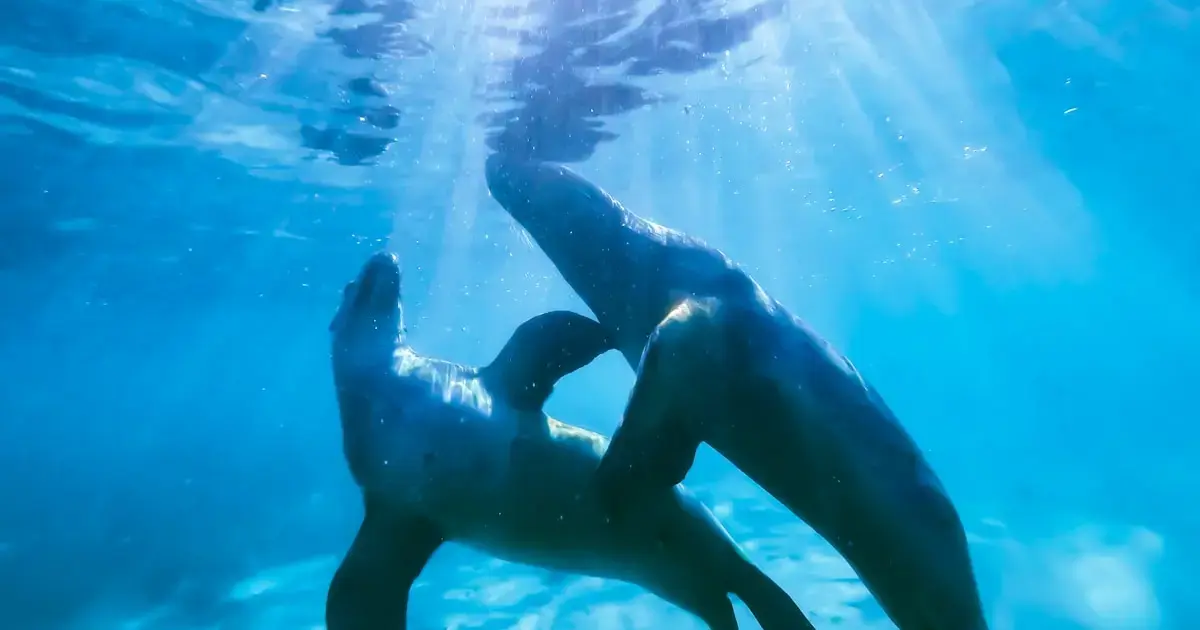
The collected data confirmed that seals sleep in the water for about two hours a day, but not continuously. When it was time to sleep, these would dive hundreds of meters and sleep for about 20 minutes.
According to Jessica Kendall-Bar, “This degree of flexibility and duration of sleep is characteristic only of birds and is unprecedented for mammals.” The scientist noted that sleeping underwater likely evolved as a way to avoid predator attacks, as predators typically lurk near the surface.
Moreover, during sleep, seals are more vulnerable than other marine mammals because, like humans, both hemispheres of their brains rest. In contrast, sea lions and fur seals have one hemisphere sleeping while the other remains alert to predators.
The study’s data showed that seals completed one full sleep cycle during each dive before returning to the surface. This process allowed them to rest at depths with a lower risk to their lives.
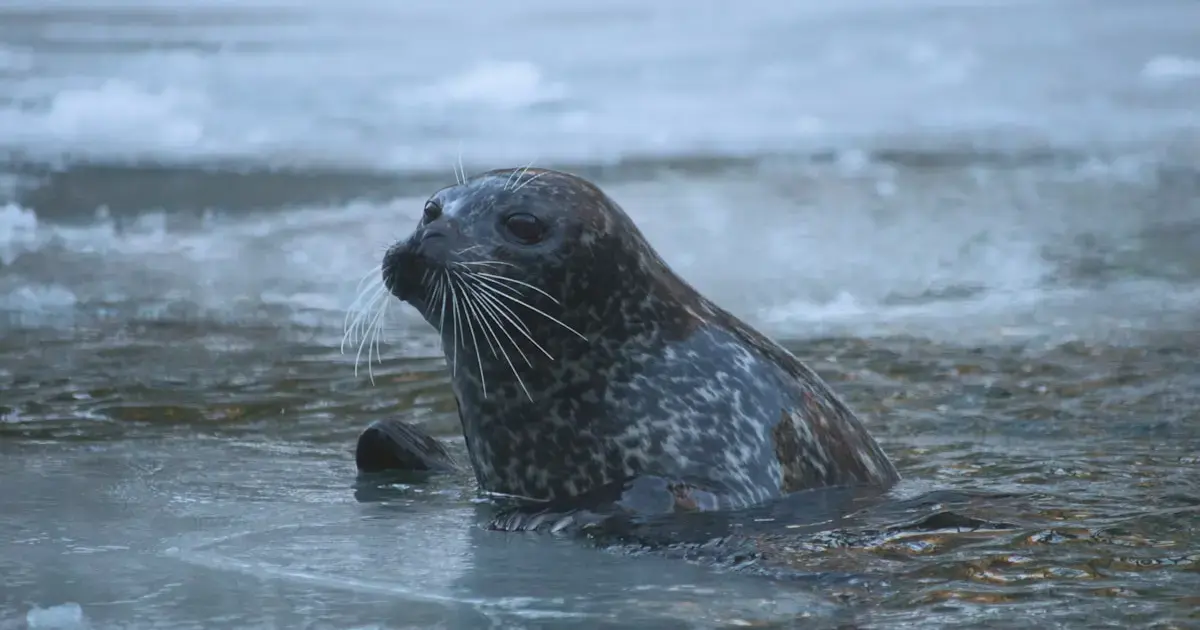
During these short dives, seals entered a phase of slow sleep while maintaining a vertical position. They would then flip upside down, transitioning from slow sleep to rapid eye movement (REM) sleep. During this phase, sleep paralysis caused them to dive down in a spiral trajectory.
Since muscle paralysis during REM sleep made seals vulnerable and defenseless, they napped very little and compensated for the lack of rest once back on land. As a result, these mammals slept on the shore five times longer than in the water, with some sleeping up to 14 hours a day.
Although seals are currently not endangered (despite being nearly wiped out by hunters in the 1800s), Kendall-Bar’s team is concerned that shipping and traps on the ocean floor threaten the lives of these animals. Understanding how and where seals sleep will help in conserving the species, scientists hope.
The study’s findings were published in the journal Science.
Photo: Unsplash