
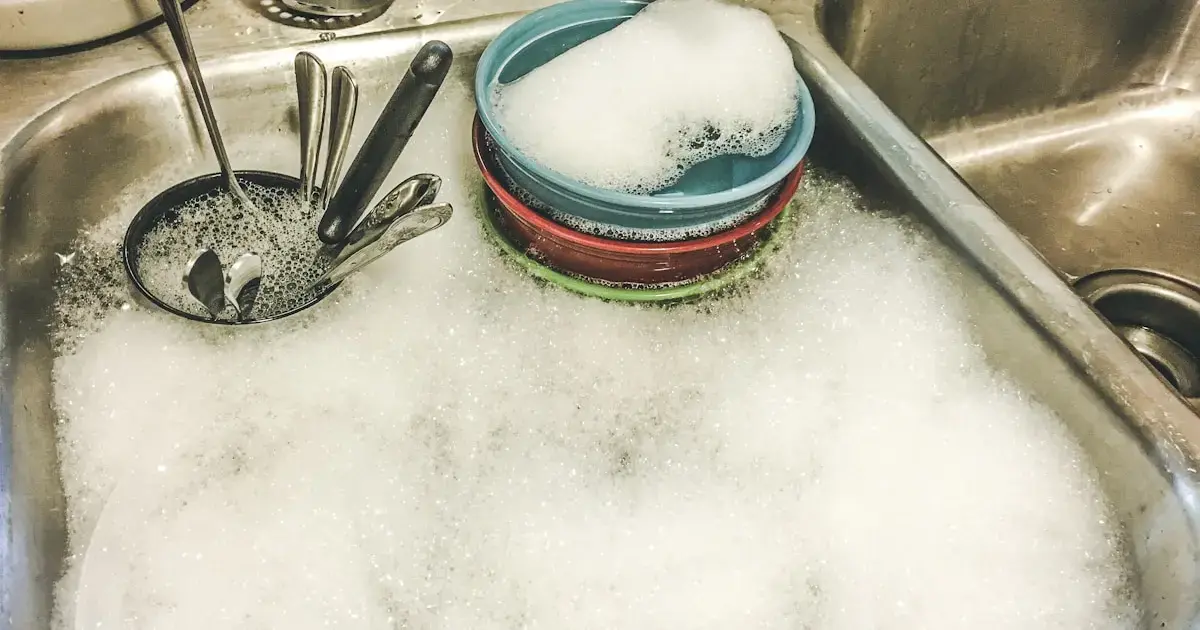
 Winter feasts are filled with rich dishes that are quite fitting for the cold season. However, these indulgent meals are considered one of the main culprits behind clogged drainage pipes.
British plumbing experts have shared which food waste should never be poured down the sink. Among these are leftover gravy, as reported by Daily Mail.
The rich flavor of good gravy comes from its combination of and flour. Therefore, it poses a double threat of potential clogging.
Mike Fluke, an expert from the construction portal MyBuilder.com, assures us: “Pouring fats and oils down the sink can lead to disaster during the holidays.”
According to Mr. Fluke’s experience, remnants of many foods typically consumed during festive occasions are responsible for sink blockages. These include coffee grounds, meat fat, and even residue from creamy liqueurs like Baileys.
As for coffee, while its grounds are not considered a fatty substance, they are one of the main causes of clogs. The reason is that the grounds absorb excess fats and clump together, creating blockages that are difficult to remove, even for professionals.
It’s also worth remembering: if you do pour fat down the sink during the holidays, it could turn out to be a costly mistake. Calling a plumber in an emergency during this time can cost about four times more than usual.
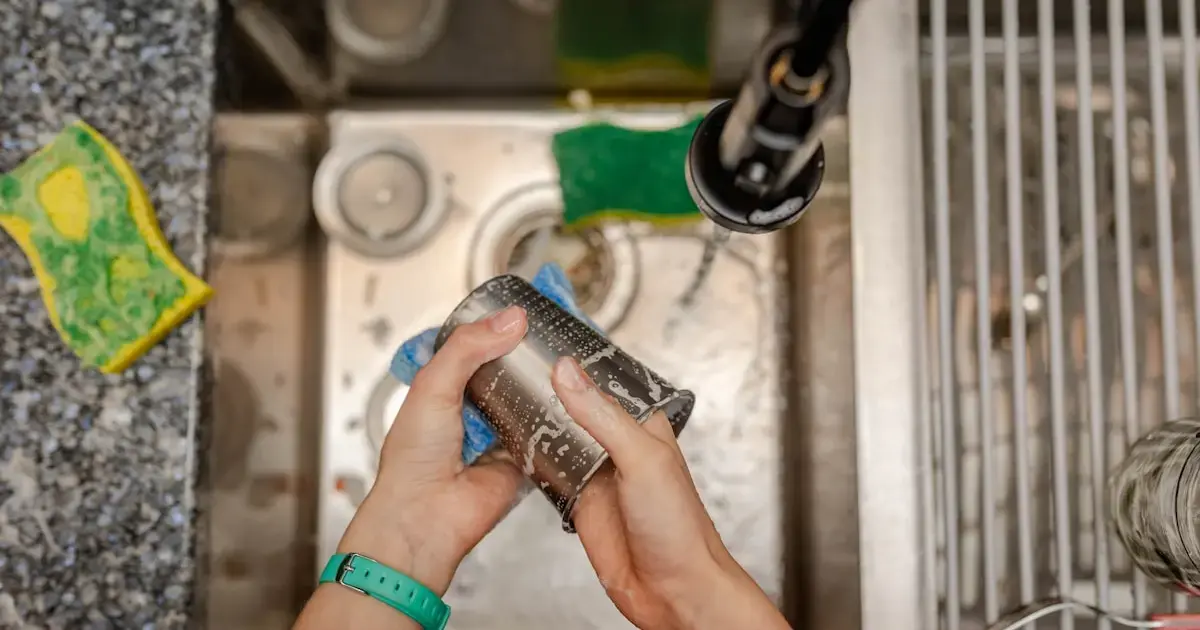
What’s the solution?
Experts suggest using coffee grounds as an effective fertilizer by mixing them into the soil in your garden. If you don’t have a garden, be sure to collect them and throw them in the trash.
If you accidentally spill greasy liquid down the sink, you should turn on the hot water tap as soon as possible. This will dissolve the fat and send it down the drain in liquid form. Mr. Fluke recommends keeping the hot water running for at least a few minutes.
A gentle method for clearing clogs is to add soap to the hot water. However, aggressive chemical substances should be avoided. “A simple plunger can be even more effective than chemical solutions,” says Mr. Fluke.
Overall, specialists advise against their potential clients attempting DIY fixes. Often, victims of sink clogs try to solve the problem themselves. They head to home improvement stores to buy special products for unclogging.
“Some sink unclogging kits are like puzzles; I’ve often encountered situations where clients tried to clear their sinks themselves and then improperly installed seals, leading to leaks,” notes the expert.
Mr. Fluke also recalled some rather dramatic cases from his personal experience, where washing down the drain left a greasy film that coated the inner surface of pipes along with other waste. Over time, this contributed to the formation of notorious “fatbergs,” which create numerous problems for sewage systems in large cities.
These accumulations of oils, fats, plastics, and other waste can weigh hundreds of tons. The largest such artifact ever found in London measured 250 meters long and weighed 130 tons—equivalent to two Airbus A318 airplanes.
Photo: Unsplash