
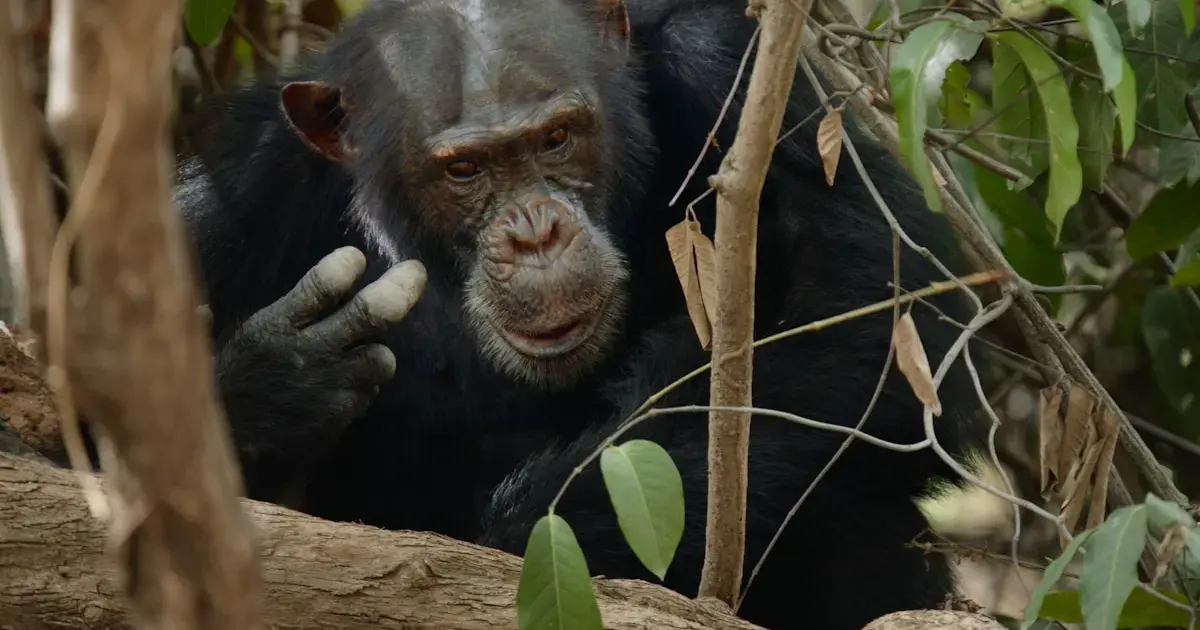
 A team of biologists from the University of California, Berkeley, and the University of Michigan has discovered that wild African chimpanzees consume roughly the same amount of in a day as found in 1-2 human servings of liquor.
Of course, everyone has heard stories about wild animals getting “drunk” on rotting fruit and acting foolishly. But just how much alcohol do they actually consume? The authors of this new study examined the behavior of a group of wild , taking on the challenging task of collecting and analyzing their urine. Ultimately, they uncovered a wealth of new information about the alcohol consumption of these primates.
How Was the Study Conducted?
For humans, a simple tool to measure blood alcohol levels is a breathalyzer. However, for chimpanzees, the biologists found an alternative solution.
During an 11-day trip to Ngogo—the largest population of chimpanzees residing in Kibale National Park (Uganda)—the researchers created shallow plastic containers for urine collection, threading them onto split sticks. By collecting samples from these containers, as well as urine gathered from puddles and leaves in the forest, the team obtained enough material for analysis.
The results showed that most samples contained ethyl glucuronide—a byproduct formed when alcohol is metabolized in the body. This indicates that chimpanzees consume a significant amount of fermented fruit. Therefore, the primates’ diet is rich in ethanol, as reported by IFLScience.
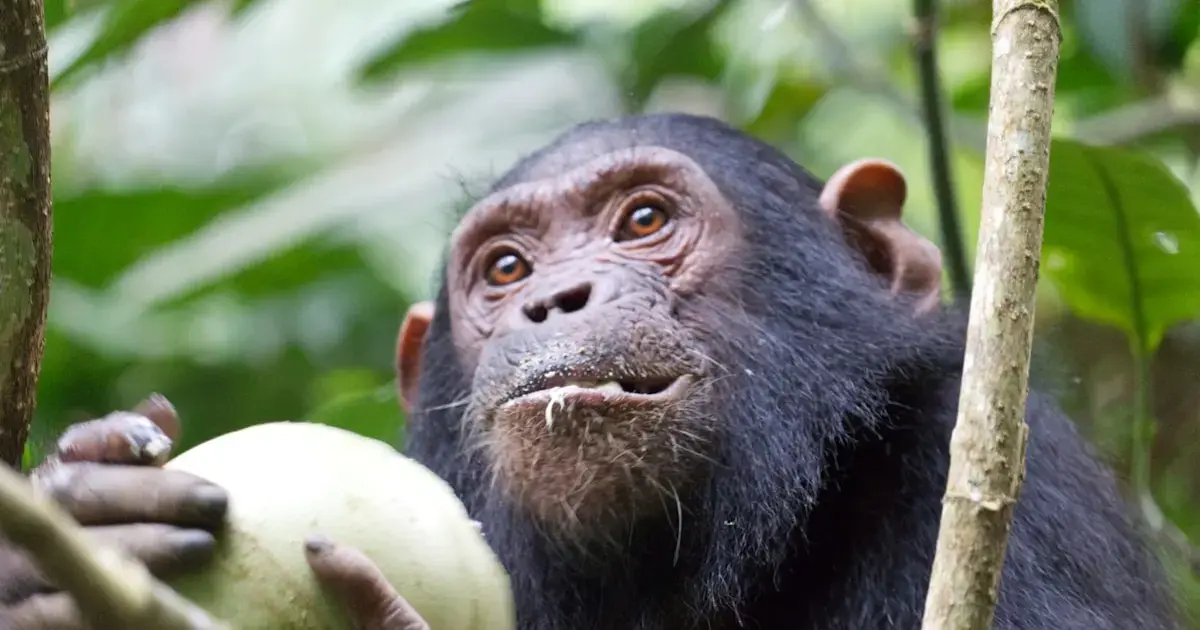
The scientists found that only four out of 20 samples taken from 19 different chimpanzees had ethanol concentrations below 500 nanograms per milliliter. In humans, an ethanol concentration above 500 nanograms per milliliter typically occurs after consuming a couple of drinks.
“In nanograms per milliliter, these levels significantly exceed some clinical and forensic thresholds for humans,” noted Professor of Integrative Biology Robert Dudley, a co-author of the study.
“We found numerous physiological evidence of alcohol consumption in chimpanzees. If there were any doubts about whether there is enough alcohol in the environment for these animals to feel its effects similarly to humans, those doubts have now been dispelled,” added Alexey Maro, the study’s lead author.
The findings of the study were published in the journal Biology Letters.
Photo: Unsplash
